

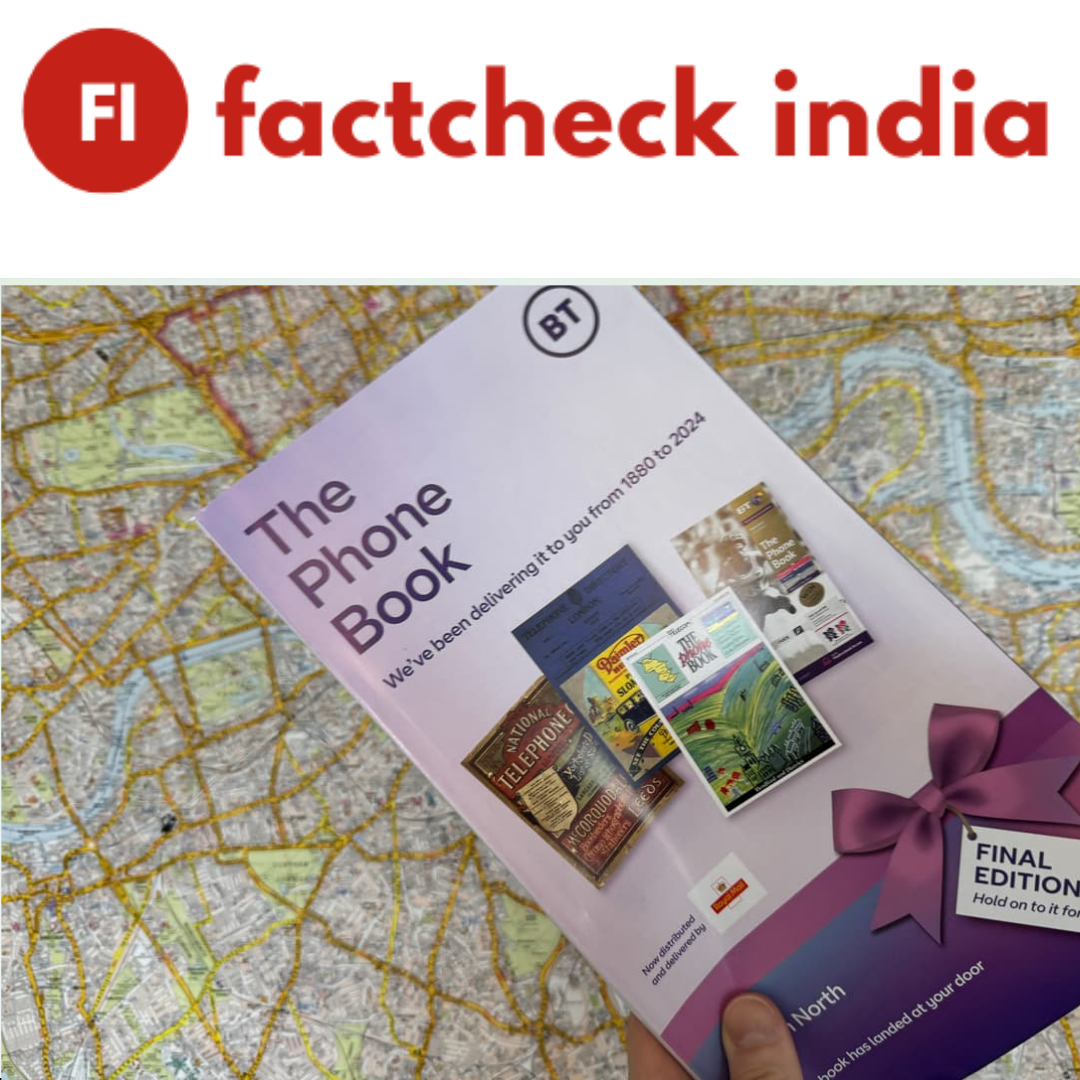
What Is the Internet Phonebook?
The Internet Phonebook is FactCheck India’s intellectual property is a revolutionary concept designed to simplify how people connect, navigate, and stay safe online.
Much like traditional phonebooks that listed names and numbers, the Internet Phonebook acts as a digital directory of websites is helping users organize, identify, and safely explore the online world.
How to Understand the Internet: The Basics
The internet is a vast global network of interconnected computers.
Every device connected to the internet is assigned a unique identifier called an IP address is a numerical label such as 192.168.1.1.
There are two main types of IP addresses:
- IPv4: Uses 32 bits, offering about 4.3 billion possible addresses.
- IPv6: Uses 128 bits, expanding the address space for billions of new devices.
Because numerical addresses are hard to remember, the Domain Name System (DNS) was introduced. It translates human-readable domain names (like google.com) into machine-readable IP addresses.
In short, DNS is the internet’s phonebook.
What Is The Analogy: How the DNS Works
Just like a physical phonebook lists people’s names and their corresponding phone numbers:
- Domain Name: Like a person’s name — it’s easy to remember (e.g., facebook.com).
- IP Address: Like a phone number — it’s how computers find each other.
- DNS: Like the phonebook — it connects names to numbers.
When you type a domain name into your browser, DNS finds the correct IP address and takes you to the right website.
Where Does a Website Live?
Once a domain name is registered and linked to an IP address, the website is hosted on a server — a specialized computer that stores and delivers web content.
Think of it like this:
- Domain Name: Your business name (example.com).
- Hosting: The physical building where your business operates (the server).
The domain name is the address, while hosting is the property itself.
What Is The Property Mantra
Imagine opening a coffee shop:
- Domain Name: “CaféAllDay.com” — your shop’s name and online identity.
- Hosting: The actual space (your server) where the shop operates.
- DNS: The signboard that helps customers find your shop.
When users type “cafeallday.com,” the internet directs them to your hosting space that is displaying your website just like customers entering your café.
Introducing the Internet Phonebook
The Internet Phonebook extends this concept to everyday users.
It’s a digital directory where you can store and manage your favorite websites will complete with descriptions, safety notes, and educational insights.
It’s especially valuable for families, educators, and institutions aiming to promote safe, structured, and purposeful internet use.
What Is Structure of the Internet Phonebook
You can create your own Internet Phonebook using a simple spreadsheet or text document.
Suggested Columns:
- Website Name – User-friendly site name.
- Website Address (URL) – Full web address (e.g., https://example.com).
- Purpose – What the site offers or teaches.
- Date Added – When you listed the site.
- Notes – Comments, warnings, or parental tags.
Example Entry:
| Website Name | Website Address | Purpose | Date Added | Notes |
|---|---|---|---|---|
| FactCheck USA | https://factcheckusa.com | Verifying news and claims | Nov 2025 | Reliable fact-check source |
What Are The Benefits of Using an Internet Phonebook
Safety: Parents and teachers can monitor safe online activity.
Efficiency: Quick access to trusted and frequently visited sites.
Education: Builds digital literacy and responsible browsing habits.
Organization: Keeps your online life neat and trackable.
Empower Your Digital Journey
Are you ready to take control of your digital experience?
Build your own Internet Phonebook for your home, school, or workplace and join FactCheck India in creating a safer, smarter internet. Together, we can foster responsible digital citizenship and fight misinformation.
Interesting analysis! Seeing more localized platforms like kkkjili slot really boost engagement. Swift registration & secure funding are key – makes a huge difference for players in the Philippines! 👍
That’s a great point about skill vs. luck! Thinking strategically, like understanding RTP, can shift the odds. Curious to explore platforms like arionplay ph download apk – localized options are a huge plus for PH gamers! 🤔
Had some decent wins on Lunabet lately. lunabetbetting’s been my hunting ground. Not bad at all. Fingers crossed for more! lunabetbetting
This is a very good tips especially to those new to blogosphere, brief and accurate information… Thanks for sharing this one. A must read article.
Wow! This can be one particular of the most beneficial blogs We’ve ever arrive across on this subject. Actually Excellent. I’m also a specialist in this topic so I can understand your hard work.
Hello. magnificent job. I did not expect this. This is a fantastic story. Thanks!
I appreciate, cause I found exactly what I was looking for. You have ended my 4 day long hunt! God Bless you man. Have a great day. Bye
I have recently started a blog, the info you offer on this web site has helped me greatly. Thank you for all of your time & work.
I have been absent for a while, but now I remember why I used to love this website. Thanks , I’ll try and check back more frequently. How frequently you update your website?
I’ve been surfing online more than three hours today, yet I never found any interesting article like yours. It is pretty worth enough for me. In my opinion, if all webmasters and bloggers made good content as you did, the net will be much more useful than ever before.
Hi there, You have done a fantastic job. I will certainly digg it and personally recommend to my friends. I’m confident they’ll be benefited from this site.
What i don’t understood is actually how you’re not really much more well-liked than you may be now. You are very intelligent. You realize thus significantly relating to this subject, produced me personally consider it from numerous varied angles. Its like men and women aren’t fascinated unless it’s one thing to do with Lady gaga! Your own stuffs great. Always maintain it up!
Thank you for the sensible critique. Me & my neighbor were just preparing to do some research on this. We got a grab a book from our local library but I think I learned more from this post. I’m very glad to see such fantastic information being shared freely out there.
It’s really a great and helpful piece of information. I am glad that you shared this useful info with us. Please stay us up to date like this. Thank you for sharing.
Hello my family member! I wish to say that this post is awesome, great written and include almost all vital infos. I would like to peer extra posts like this.
Very interesting topic, thank you for posting.
I liked as much as you’ll obtain performed right here. The sketch is attractive, your authored subject matter stylish. nonetheless, you command get got an shakiness over that you would like be handing over the following. sick unquestionably come further previously once more since precisely the same nearly a lot regularly inside of case you defend this hike.
I have recently started a site, the info you provide on this web site has helped me tremendously. Thanks for all of your time & work.
I do consider all of the ideas you have presented for your post. They’re very convincing and can definitely work. Nonetheless, the posts are too quick for starters. May you please extend them a little from next time? Thank you for the post.
Hello, you used to write magnificent, but the last few posts have been kinda boring?K I miss your tremendous writings. Past few posts are just a bit out of track! come on!
Hello. remarkable job. I did not anticipate this. This is a remarkable story. Thanks!
I’ve been absent for some time, but now I remember why I used to love this blog. Thank you, I¦ll try and check back more frequently. How frequently you update your website?
wonderful submit, very informative. I ponder why the opposite specialists of this sector do not realize this. You must continue your writing. I am confident, you have a huge readers’ base already!
You have observed very interesting details! ps decent internet site.
Really instructive and excellent complex body part of subject matter, now that’s user pleasant (:.
There is clearly a lot to realize about this. I think you made some good points in features also.
I like this web blog very much so much superb information.
Thanks for this marvellous post, I am glad I observed this site on yahoo.
I got good info from your blog
Wow! Thank you! I constantly wanted to write on my blog something like that. Can I implement a portion of your post to my blog?
Hi! This is my first comment here so I just wanted to give a quick shout out and tell you I really enjoy reading through your posts. Can you suggest any other blogs/websites/forums that go over the same topics? Appreciate it!
I likewise conceive so , perfectly written post! .
Its superb as your other articles : D, regards for posting.
I must point out my love for your kindness supporting people that really want help on this particular study. Your personal commitment to passing the message all through had become extremely effective and has specifically encouraged somebody just like me to attain their desired goals. The interesting help means a great deal to me and a whole lot more to my peers. Thank you; from all of us.
You made some good points there. I looked on the internet for the issue and found most persons will go along with with your site.
Thank you, I’ve recently been searching for information about this subject for ages and yours is the greatest I’ve discovered so far. But, what about the conclusion? Are you sure about the source?
Thanx for the effort, keep up the good work Great work, I am going to start a small Blog Engine course work using your site I hope you enjoy blogging with the popular BlogEngine.net.Thethoughts you express are really awesome. Hope you will right some more posts.
Thank you for the good writeup. It in fact was a amusement account it. Look advanced to far added agreeable from you! However, how could we communicate?
I like the efforts you have put in this, regards for all the great posts.
hi!,I like your writing very a lot! share we keep in touch extra approximately your post on AOL? I require an expert in this house to resolve my problem. May be that is you! Taking a look ahead to look you.
Please let me know if you’re looking for a writer for your weblog. You have some really great articles and I feel I would be a good asset. If you ever want to take some of the load off, I’d love to write some articles for your blog in exchange for a link back to mine. Please blast me an email if interested. Kudos!
You are my inspiration , I possess few blogs and occasionally run out from to post .
I?¦ll right away clutch your rss feed as I can’t in finding your email subscription link or e-newsletter service. Do you have any? Please permit me know so that I could subscribe. Thanks.
Hey there would you mind sharing which blog platform you’re using? I’m planning to start my own blog in the near future but I’m having a hard time making a decision between BlogEngine/Wordpress/B2evolution and Drupal. The reason I ask is because your layout seems different then most blogs and I’m looking for something completely unique. P.S Apologies for getting off-topic but I had to ask!
I always was concerned in this subject and still am, thankyou for putting up.
Enjoyed looking through this, very good stuff, appreciate it. “Love begets love, love knows no rules, this is the same for all.” by Virgil.
I’d have to examine with you here. Which is not one thing I usually do! I take pleasure in reading a post that may make folks think. Additionally, thanks for permitting me to comment!
of course like your web site but you need to take a look at the spelling on quite a few of your posts. A number of them are rife with spelling issues and I in finding it very bothersome to tell the truth then again I will certainly come back again.
I was more than happy to search out this internet-site.I wished to thanks on your time for this excellent read!! I undoubtedly enjoying every little bit of it and I’ve you bookmarked to check out new stuff you weblog post.
I have been surfing on-line greater than three hours nowadays, but I never discovered any attention-grabbing article like yours. It is pretty value enough for me. Personally, if all website owners and bloggers made good content as you probably did, the internet will likely be a lot more helpful than ever before.
Some truly fantastic work on behalf of the owner of this internet site, perfectly great written content.
I dugg some of you post as I thought they were invaluable very useful
Wonderful blog! Do you have any tips and hints for aspiring writers? I’m hoping to start my own blog soon but I’m a little lost on everything. Would you suggest starting with a free platform like WordPress or go for a paid option? There are so many options out there that I’m completely confused .. Any tips? Appreciate it!
Great post. I was checking continuously this blog and I’m impressed! Extremely useful info specially the last part 🙂 I care for such information a lot. I was looking for this certain information for a long time. Thank you and best of luck.
Neat blog! Is your theme custom made or did you download it from somewhere? A design like yours with a few simple adjustements would really make my blog jump out. Please let me know where you got your design. Thank you
I like this post, enjoyed this one thankyou for posting.
But wanna comment on few general things, The website design and style is perfect, the subject matter is really wonderful : D.
Thanks for sharing excellent informations. Your web-site is so cool. I am impressed by the details that you’ve on this website. It reveals how nicely you understand this subject. Bookmarked this web page, will come back for more articles. You, my pal, ROCK! I found simply the information I already searched everywhere and just couldn’t come across. What an ideal web-site.
Hello, you used to write wonderful, but the last several posts have been kinda boringK I miss your great writings. Past several posts are just a bit out of track! come on!
Very interesting details you have mentioned, regards for putting up.
Pretty! This was a really wonderful post. Thank you for your provided information.
You actually make it seem so easy with your presentation but I find this matter to be actually something which I think I would never understand. It seems too complex and extremely broad for me. I am looking forward for your next post, I’ll try to get the hang of it!
I’ve been browsing online more than 3 hours today, yet I never found any interesting article like yours. It’s pretty worth enough for me. In my opinion, if all website owners and bloggers made good content as you did, the web will be a lot more useful than ever before.
Its like you read my mind! You seem to know so much about this, like you wrote the book in it or something. I think that you could do with a few pics to drive the message home a bit, but other than that, this is magnificent blog. An excellent read. I’ll definitely be back.
Pretty great post. I just stumbled upon your blog and wanted to mention that I have truly loved surfing around your blog posts. After all I’ll be subscribing to your rss feed and I am hoping you write once more soon!
The next time I read a blog, I hope that it doesnt disappoint me as much as this one. I mean, I know it was my choice to read, but I actually thought youd have something interesting to say. All I hear is a bunch of whining about something that you could fix if you werent too busy looking for attention.
Great beat ! I would like to apprentice while you amend your website, how can i subscribe for a blog site? The account helped me a acceptable deal. I had been a little bit acquainted of this your broadcast provided bright clear concept
Hello my loved one! I want to say that this article is awesome, great written and include approximately all significant infos. I would like to see extra posts like this.
I enjoy assembling utile information , this post has got me even more info! .
You are my breathing in, I possess few web logs and rarely run out from post :). “Fiat justitia et pereat mundus.Let justice be done, though the world perish.” by Ferdinand I.
Sweet web site, super style and design, real clean and use pleasant.
I’ve been surfing online greater than three hours lately, yet I by no means discovered any attention-grabbing article like yours. It is beautiful value enough for me. Personally, if all webmasters and bloggers made just right content as you probably did, the web shall be much more useful than ever before.
I have been exploring for a little bit for any high-quality articles or blog posts in this kind of space . Exploring in Yahoo I ultimately stumbled upon this site. Reading this information So i am happy to express that I’ve an incredibly excellent uncanny feeling I found out exactly what I needed. I such a lot certainly will make sure to do not overlook this web site and provides it a glance regularly.
I found your weblog website on google and check just a few of your early posts. Continue to keep up the superb operate. I just further up your RSS feed to my MSN News Reader. Seeking ahead to studying more from you later on!…
You have brought up a very fantastic points, thankyou for the post.
Heya i’m for the primary time here. I found this board and I in finding It truly useful & it helped me out much. I’m hoping to give one thing again and aid others like you aided me.
Terrific work! This is the type of information that should be shared around the internet. Shame on Google for not positioning this post higher! Come on over and visit my website . Thanks =)
Do you have a spam issue on this blog; I also am a blogger, and I was wondering your situation; we have created some nice methods and we are looking to swap strategies with other folks, why not shoot me an email if interested.
Thanks for sharing excellent informations. Your web site is so cool. I am impressed by the details that you’ve on this site. It reveals how nicely you understand this subject. Bookmarked this website page, will come back for more articles. You, my pal, ROCK! I found simply the info I already searched everywhere and simply couldn’t come across. What a perfect website.
I would like to show my gratitude for your kindness in support of folks who should have help with this particular matter. Your special dedication to passing the solution throughout had been definitely interesting and have continuously empowered most people just like me to attain their dreams. Your new insightful instruction denotes a lot to me and substantially more to my office workers. Thanks a ton; from all of us.
I conceive this web site has very great composed subject matter content.
It is the best time to make a few plans for the long run and it is time to be happy. I have read this put up and if I could I wish to suggest you few fascinating things or suggestions. Maybe you can write next articles referring to this article. I wish to read more things about it!
My spouse and i were so fortunate Peter managed to round up his web research by way of the precious recommendations he received from your weblog. It’s not at all simplistic to simply always be giving away tactics the others have been making money from. Therefore we realize we have got the writer to appreciate because of that. All of the explanations you made, the easy blog navigation, the friendships you give support to engender – it is all awesome, and it is helping our son in addition to our family understand this issue is fun, which is incredibly mandatory. Thank you for everything!
Thanks a lot for giving everyone a very marvellous chance to read critical reviews from here. It is often so beneficial and packed with a lot of fun for me personally and my office peers to visit your blog at the very least 3 times every week to find out the fresh tips you have. Of course, I’m certainly astounded concerning the superb pointers served by you. Some 1 facts in this post are essentially the best I have ever had.
Thank you for sharing excellent informations. Your web-site is so cool. I am impressed by the details that you’ve on this site. It reveals how nicely you perceive this subject. Bookmarked this website page, will come back for extra articles. You, my friend, ROCK! I found simply the information I already searched everywhere and just couldn’t come across. What a great site.
Dead indited content material, Really enjoyed looking through.
We are a gaggle of volunteers and starting a brand new scheme in our community. Your web site provided us with valuable info to work on. You’ve done an impressive task and our whole neighborhood shall be grateful to you.
Would love to incessantly get updated great website! .
Just wanna say that this is extremely helpful, Thanks for taking your time to write this.
Thank you for the auspicious writeup. It in fact was a amusement account it. Look advanced to far added agreeable from you! However, how can we communicate?