

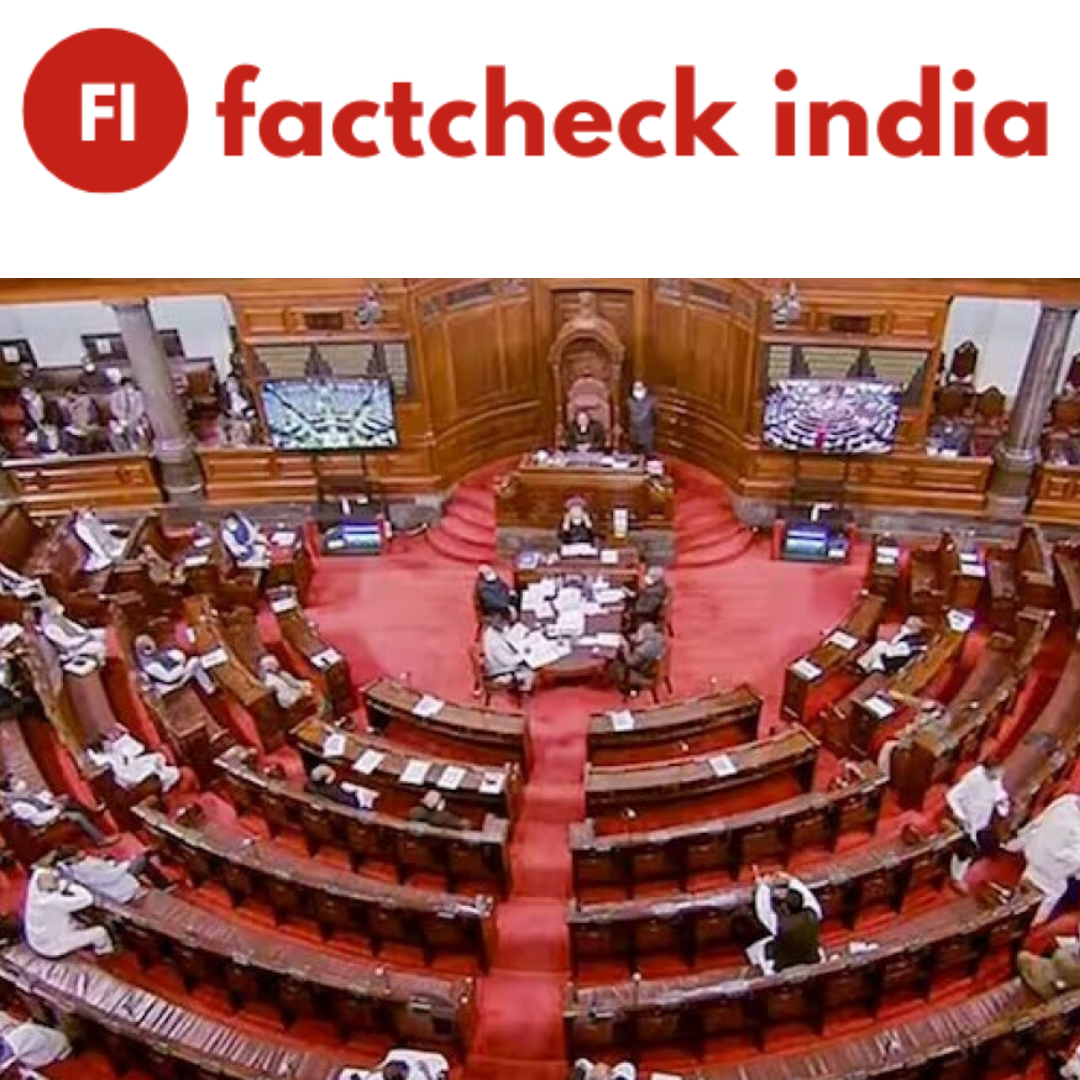
The Bharatiya Janata Party (BJP) has announced nine candidates for the 2026 biennial Rajya Sabha elections across six states, as political parties finalize nominations ahead of the March 16 polls. The announcement comes just a day before the deadline for filing nominations, setting the stage for what could be a significant reshaping of representation in the Upper House of Parliament.
What Are Rajya Sabha Biennial Elections?
The Rajya Sabha, India’s Upper House of Parliament, consists of members who serve staggered six-year terms. Every two years, approximately one-third of its members retire, and elections are held to fill those vacant seats. Members are elected indirectly by elected Members of Legislative Assemblies (MLAs) from respective states through a proportional representation system using a single transferable vote.
State-Wise Breakdown of BJP’s Candidates
Bihar (5 Seats Vacant)
In Bihar, where five seats are falling vacant, the BJP has nominated:
- Nitin Nabin, Bihar BJP chief
- Shivesh Kumar, senior state leader
The nominations indicate the party’s focus on strengthening its organizational leadership at the national level while maintaining its state-level political balance.
Assam (3 Seats Vacant)
In Assam, three seats are up for election. The BJP has fielded:
- Terash Gowalla, sitting MLA
- Jogen Mohan, Cabinet Minister
Chief Minister Himanta Biswa Sarma stated that the BJP will not contest the third seat, acknowledging the party does not have sufficient numbers to secure it.
This strategic move suggests a calculation based on legislative arithmetic rather than symbolic contestation.
Chhattisgarh (2 Seats Vacant)
For Chhattisgarh, the BJP has named:
- Laxmi Verma, member of the Chhattisgarh State Women Commission
Her nomination is being seen as a move that reflects representation of women leaders within the party’s broader political framework.
Haryana (2 Seats Vacant)
In Haryana, the BJP has announced:
- Sanjay Bhatia, former Member of Parliament
The selection signals the party’s preference for experienced leaders with prior parliamentary exposure.
Odisha (4 Seats Vacant)
In Odisha, four seats are going to polls. The BJP has nominated:
- Manmohan Samal, Odisha BJP unit president
- Sujeet Kumar, outgoing Rajya Sabha MP
The inclusion of both a state unit president and a sitting MP highlights the party’s attempt to balance organizational leadership and legislative continuity.
West Bengal (5 Seats Vacant)
In West Bengal, where five seats are up for election, the BJP has named:
- Rahul Sinha, former West Bengal BJP unit president
The nomination comes as the BJP continues efforts to expand its footprint in the state’s parliamentary representation.
Why These Elections Matter
Rajya Sabha elections are critical for national governance because:
- The Upper House plays a key role in passing legislation.
- It can delay or amend bills passed by the Lok Sabha.
- It holds significant influence over constitutional amendments.
While the BJP maintains a strong presence in the Lok Sabha, strengthening its numbers in the Rajya Sabha enhances its legislative leverage.
Political Significance
Several broader trends emerge from the candidate list:
- Organizational Leaders Elevated – State presidents and senior office bearers have been given priority.
- Experienced Faces – Former MPs and sitting legislators feature prominently.
- Strategic Non-Contest – In Assam, the decision not to field a candidate for one seat reflects realistic assessment of numbers.
- Regional Consolidation – Focus remains on states where the BJP either governs or seeks expansion.
What Happens Next?
- Last date for nomination filing: March 2026 (as per Election Commission schedule)
- Polling date: March 16, 2026
- Results will depend on each state assembly’s numerical composition.
If candidates are elected unopposed, polling may not be required in certain states.
Conclusion By Factcheck India
The BJP’s announcement of nine candidates across six states ahead of the Rajya Sabha biennial elections underscores the party’s strategic approach to consolidating its Upper House strength. While the final outcome will depend on state-level arithmetic, the selections reflect a mix of organizational loyalty, legislative experience, and regional calculation. The March 16 elections will determine how the balance of power shifts in the Rajya Sabha for the next legislative cycle.