

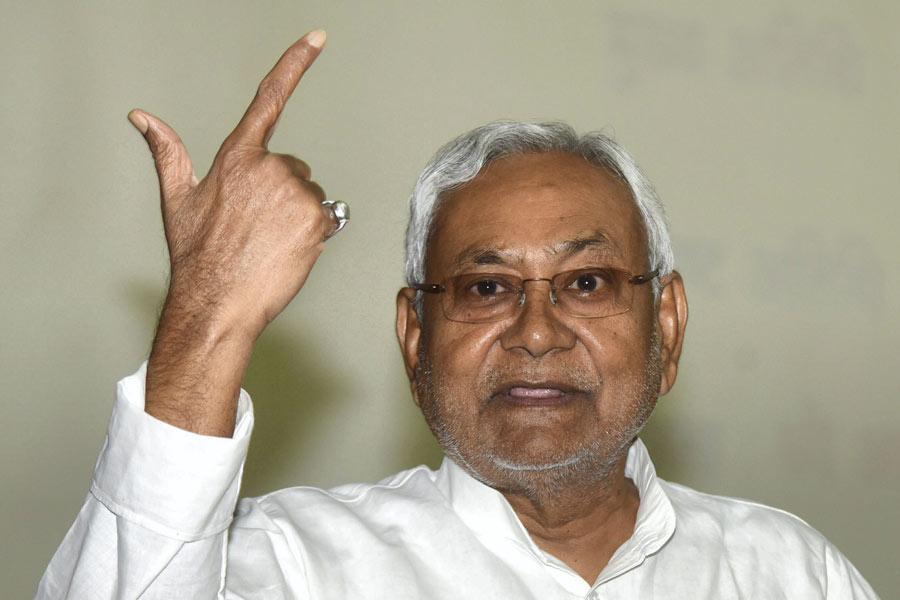
Putting weeks of speculation to rest, Janata Dal (United) president Nitish Kumar has confirmed that he will resign as Bihar Chief Minister and seek election to the Rajya Sabha. With this move, Kumar aims to complete a rare political milestone — becoming a member of all four legislative houses in India’s parliamentary system.
What Did Nitish Kumar Announce?
In a post on X, Nitish Kumar said he has long harboured a desire to serve in:
- Both Houses of the state legislature
- Both Houses of Parliament
He has already been:
- A Member of the Bihar Legislative Assembly (MLA)
- A Member of the Bihar Legislative Council (MLC)
- A Member of the Lok Sabha
A stint in the Rajya Sabha would complete the quartet.
In his message, Kumar wrote that he would continue to work for Bihar’s development and assured that the new government would have his full support and guidance.
What Is the ‘Four-House Club’?
India’s parliamentary and state legislative system consists of:
- Lok Sabha (Lower House of Parliament)
- Rajya Sabha (Upper House of Parliament)
- State Legislative Assembly (Vidhan Sabha)
- State Legislative Council (Vidhan Parishad) (in bicameral states like Bihar)
Very few politicians have been members of all four.
In Bihar’s political history, leaders such as:
- Lalu Prasad Yadav
- Sushil Kumar Modi
have achieved this distinction.
Nitish Kumar’s move appears aimed at joining this exclusive group.
Why Now?
Political observers say the timing is significant:
- Kumar has led Bihar for over two decades across multiple terms.
- His transition could mark the beginning of a leadership shift in the state.
- It allows him to retain national political relevance through Parliament.
His aides suggest the desire is partly rooted in political legacy — many contemporaries from the anti-Emergency movement era, including Ram Vilas Paswan and Sharad Yadav, had Rajya Sabha stints.
What Happens to the Bihar Government?
Nitish Kumar’s resignation as Chief Minister will trigger a leadership transition in Bihar.
Speculation is mounting over who could replace him, particularly from the BJP, his alliance partner.
Names being discussed include:
- Samrat Choudhary – Current Deputy Chief Minister
- Nityanand Rai – Union Minister of State for Home
- Dilip Kumar Jaiswal – Senior BJP leader
- Sanjiv Chaurasiya – MLA from Digha
However, the BJP is known for surprise picks, and the final decision may not align with current speculation.
Political Implications
1️⃣ Legacy Consolidation
This move allows Nitish Kumar to cement his place in Bihar’s political history.
2️⃣ Leadership Transition
Bihar could see a generational or strategic shift in executive leadership.
3️⃣ Coalition Dynamics
The balance of power within the JD(U)-BJP alliance may evolve, depending on who becomes Chief Minister.
4️⃣ National Role
As a Rajya Sabha MP, Nitish Kumar could play a more active role in national politics, especially on federal issues and parliamentary strategy.
Why the Rajya Sabha Matters
The Rajya Sabha plays a critical role in:
- Reviewing and amending legislation
- Passing constitutional amendments
- Representing state interests at the national level
A senior leader like Nitish Kumar entering the Upper House could influence both state and national political equations.
Conclusion
Nitish Kumar’s announcement marks a significant turning point in Bihar politics. After decades at the helm of the state government, his shift to the Rajya Sabha signals both a personal milestone and a broader political transition. Whether this move strengthens his legacy or reshapes Bihar’s power structure will depend on the leadership succession that follows — and how the alliance dynamics evolve in the coming weeks.