

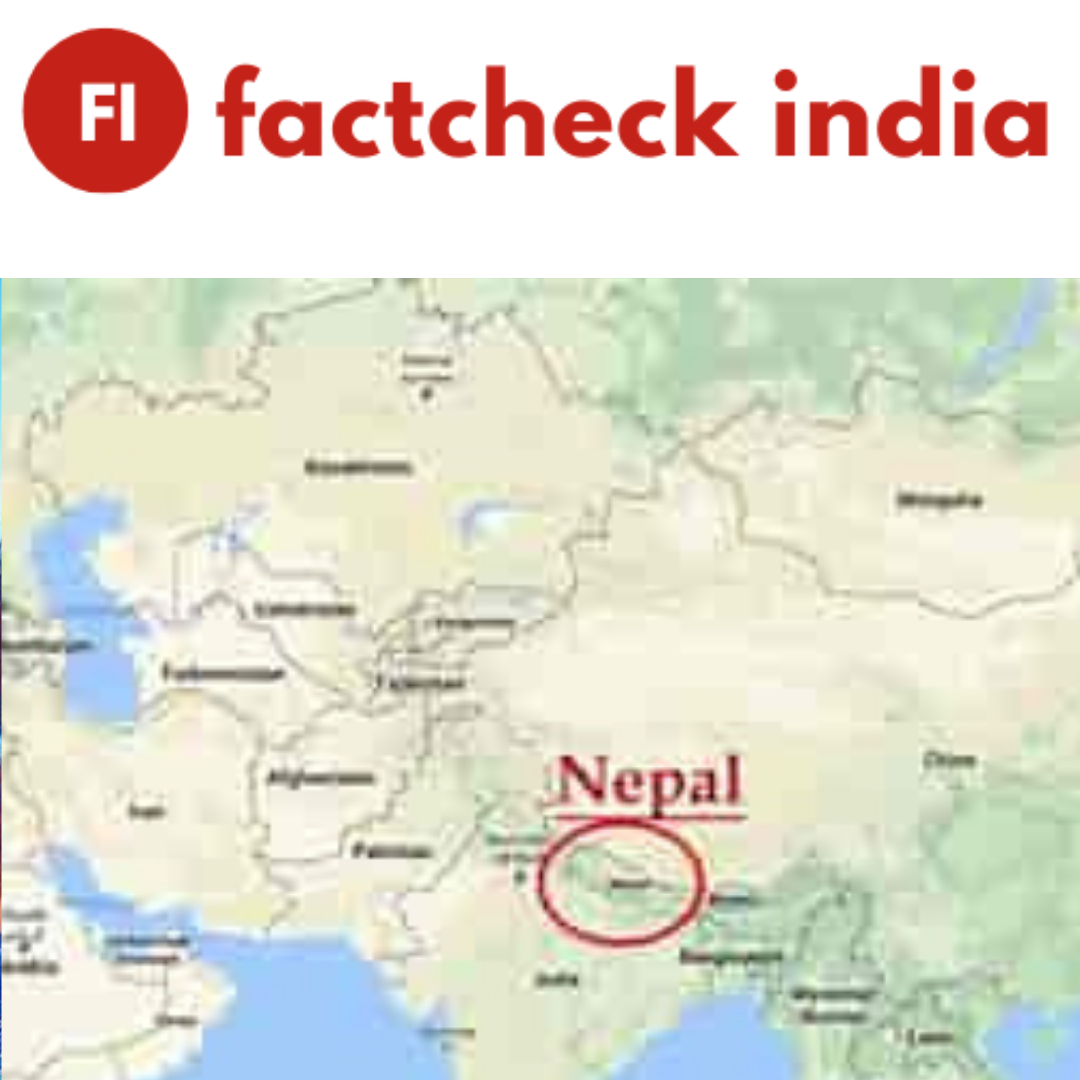
Nepal held a nationwide parliamentary election on March 5, 2026, marking the first major vote since a violent youth-led uprising forced the government from power in September 2025. The election is being closely watched as a test of the country’s political stability and the public’s demand for reform following months of unrest. Despite fears of violence or disruption, the voting process remained largely peaceful across the country, with election officials reporting only minor incidents.
Why Is This Election Important?
This election is significant because it comes after a dramatic political crisis that reshaped Nepal’s political landscape. In September 2025, widespread protests led primarily by young people erupted across the country. The demonstrations initially began over a government decision to impose a social media ban. However, the protests quickly evolved into a larger movement against corruption, poor governance, and the political establishment. The unrest escalated into violent clashes in several cities. Protesters attacked government buildings while security forces attempted to control the demonstrations. Dozens of people were killed and hundreds were injured during the confrontation. The pressure from the protests ultimately forced the government led by former Prime Minister Khadga Prasad Oli to step down, paving the way for new national elections.
How Did Voting Take Place?
Polling stations across Nepal opened on Thursday, with voters casting ballots to elect representatives to the national parliament. According to acting Chief Election Commissioner Ram Prasad Bhandari, voter turnout was estimated at around 60 percent, indicating strong participation despite the political turmoil. Because of Nepal’s mountainous geography, transporting ballot boxes from remote areas remains a major logistical challenge. Authorities said helicopters would be used to transport ballots from isolated Himalayan villages to counting centers. Vote counting began soon after the ballot boxes were collected, and final results are expected to be announced within a few days.
How Nepal’s Parliament Is Elected
Nepal uses a mixed electoral system to elect members of its lower house, the House of Representatives of Nepal.
The parliament consists of 275 seats, which are filled through two methods:
- 165 members are elected directly by voters through constituency-based elections.
- 110 members are chosen through a proportional representation system, where political parties nominate candidates based on the percentage of votes they receive nationally.
This system is designed to balance direct representation with broader political inclusivity.
Which Parties Are Competing?
The 2026 election is widely seen as a three-way political contest.
The established parties include:
- Nepali Congress
- Communist Party of Nepal (Unified Marxist–Leninist)
Both parties have dominated Nepalese politics for decades and maintain loyal voter bases across the country.
However, a relatively new political force has emerged as a strong challenger.
The Rise of a New Political Force
The National Independent Party, founded in 2022, has gained momentum among younger voters frustrated with traditional political parties. Its prime ministerial candidate is Balendra Shah, a rapper-turned-politician who previously won the Kathmandu mayoral election in 2022. Shah became one of the most visible faces of the 2025 protests and built a reputation as a reformist leader challenging Nepal’s political establishment. During the campaign, he emphasized policies focused on improving education, healthcare, and governance, particularly for poorer communities. The party’s rallies have drawn large crowds, signaling growing public support, especially among younger voters seeking political change.
What Challenges Will the Next Government Face?
Regardless of which party forms the next government, the incoming administration will face several major challenges. First, it must respond to the demands that emerged from last year’s protests. Many demonstrators called for stronger action against corruption and greater government accountability. Second, Nepal’s leaders must manage delicate diplomatic relations with its powerful neighbors — India and China — both of which play important economic and geopolitical roles in the region. Finally, the government will also need to address long-standing economic issues and improve employment opportunities, particularly for young people.
Millions of Nepalis Unable to Vote
One notable issue during the election is the large number of Nepali citizens working abroad who are unable to participate in the vote. According to official estimates, nearly three million Nepalis work overseas, mainly in the Middle East, Southeast Asia, and India. However, Nepal currently does not have a system that allows citizens living abroad to vote remotely or through embassies. As a result, millions of eligible voters remain excluded from the electoral process.
What Happens Next?
With ballots now cast, attention will turn to vote counting and the formation of a new government. Political analysts say the results could reshape Nepal’s political landscape, especially if new parties manage to break the long-standing dominance of traditional political forces. For many voters, the election represents more than just a political contest — it is a chance to determine whether the sacrifices made during last year’s protests will lead to meaningful change.