

Introduction
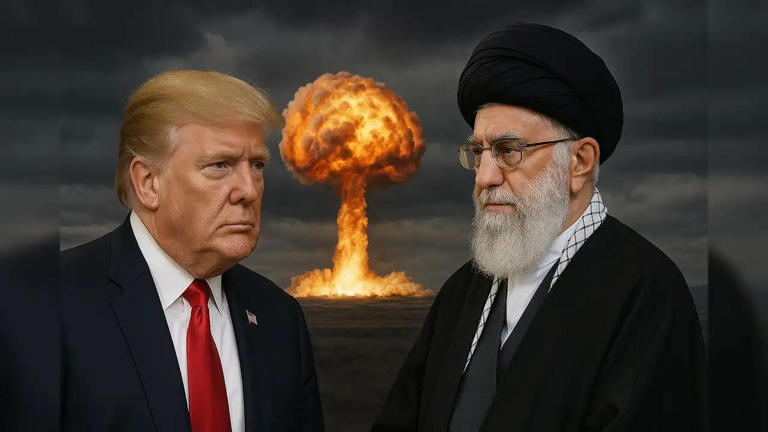
What began as targeted strikes on Iran has quickly evolved into a rapidly expanding regional crisis. Over the past few days, the United States and Israel have intensified military operations against Iran, striking oil facilities, military sites, and strategic infrastructure. The latest attacks have hit fuel depots and refining facilities in the Iranian capital, Tehran, for the first time since the conflict began—sparking massive fires and escalating fears of a broader regional war. At the same time, missile and drone attacks, air raids, and retaliatory strikes are now unfolding across multiple countries, suggesting the conflict may be spilling beyond Iran’s borders. So how did the situation escalate so quickly, and which countries are now being pulled into the crisis?
Why The US And Israel Are Striking Iran
The ongoing military campaign is part of a coordinated effort by Washington and Tel Aviv to weaken Iran’s military capabilities and deter further attacks on their forces and allies. Donald Trump has taken an especially hardline stance, repeatedly demanding Iran’s “unconditional surrender.” Trump has said the conflict will only end when Tehran’s leadership backs down or when Iran’s military is no longer capable of carrying out attacks.
The strikes have focused on several strategic targets, including:
- Missile launch facilities
- Military command centers
- Naval infrastructure
- Energy facilities such as oil depots and refineries
By hitting both military and economic assets, the US and Israel appear to be trying to apply maximum pressure on Iran’s leadership.
Why Iran’s Retaliation
Iran has responded by launching waves of missiles and drones toward Israeli territory. Air raid sirens have sounded across southern Israel, including the Negev Desert, after Iranian missiles were detected. Israel’s air defence systems intercepted several projectiles, according to Israeli media reports. Iran’s military wing, the Islamic Revolutionary Guard Corps, has claimed responsibility for multiple rounds of missile and drone attacks targeting Israeli positions. These strikes mark a continuation of the escalating tit-for-tat exchanges between the two sides.
Why Lebanon Drawn Into The Conflict
The conflict has also spilled into Lebanon, where Israeli forces have carried out air raids in the capital, Beirut. One Israeli strike reportedly hit a hotel housing displaced civilians in downtown Beirut. The attack appeared to target a specific room, suggesting it may have been a targeted assassination attempt. The strike forced guests—including families displaced from southern Lebanon—to evacuate the building. Meanwhile, the Iran-backed group Hezbollah said it had launched attacks against Israeli forces near the southern Lebanese town of Marba. These developments indicate that Lebanon could become another active front in the conflict.
Drone Attacks And Security Incidents Across The Gulf
The conflict’s impact is also being felt across the Gulf region. Authorities in Kuwait reported a fire at fuel tanks at the country’s main airport. Officials later said firefighters had managed to control the blaze. At the same time, two Kuwaiti border security personnel were reported killed while on duty amid the ongoing regional tensions. In Saudi Arabia, the defence ministry said it intercepted multiple drones near the capital, Riyadh. Earlier, Saudi authorities said they had also shot down several drones targeting the diplomatic quarter of the city. These incidents suggest the conflict is affecting security across the broader Gulf region.
Why Pentagon Issues Stark Warning
As tensions rise, the US military has issued strong warnings to those targeting American personnel. Pete Hegseth warned that any attack on Americans would be met with overwhelming retaliation. “If you kill Americans, if you threaten Americans anywhere on earth, we will hunt you down without apology and without hesitation,” he said in a statement shared by US military command. The warning reflects growing concerns in Washington that American forces stationed across the Middle East could become targets.
Why The Conflict Is So Dangerous
Analysts say the biggest risk now is that the war could evolve into a multi-front regional conflict.
Several powerful actors are already involved or indirectly affected, including:
- Iran and its allied groups across the Middle East
- Israel’s military operations in Lebanon and Gaza
- US forces stationed in Gulf countries
- Regional powers such as Saudi Arabia
If the fighting continues to expand, it could disrupt global energy markets, threaten shipping routes, and destabilize multiple countries.
Conclusion
The war between the United States, Israel, and Iran is no longer confined to a single battlefield. Missile strikes, air raids, and drone attacks are now spreading across several countries in the Middle East. With oil infrastructure targeted, cities under attack, and regional militias joining the fight, the conflict risks turning into one of the most dangerous geopolitical crises in years. Whether diplomacy can still prevent a wider war remains one of the biggest questions facing the international community.