

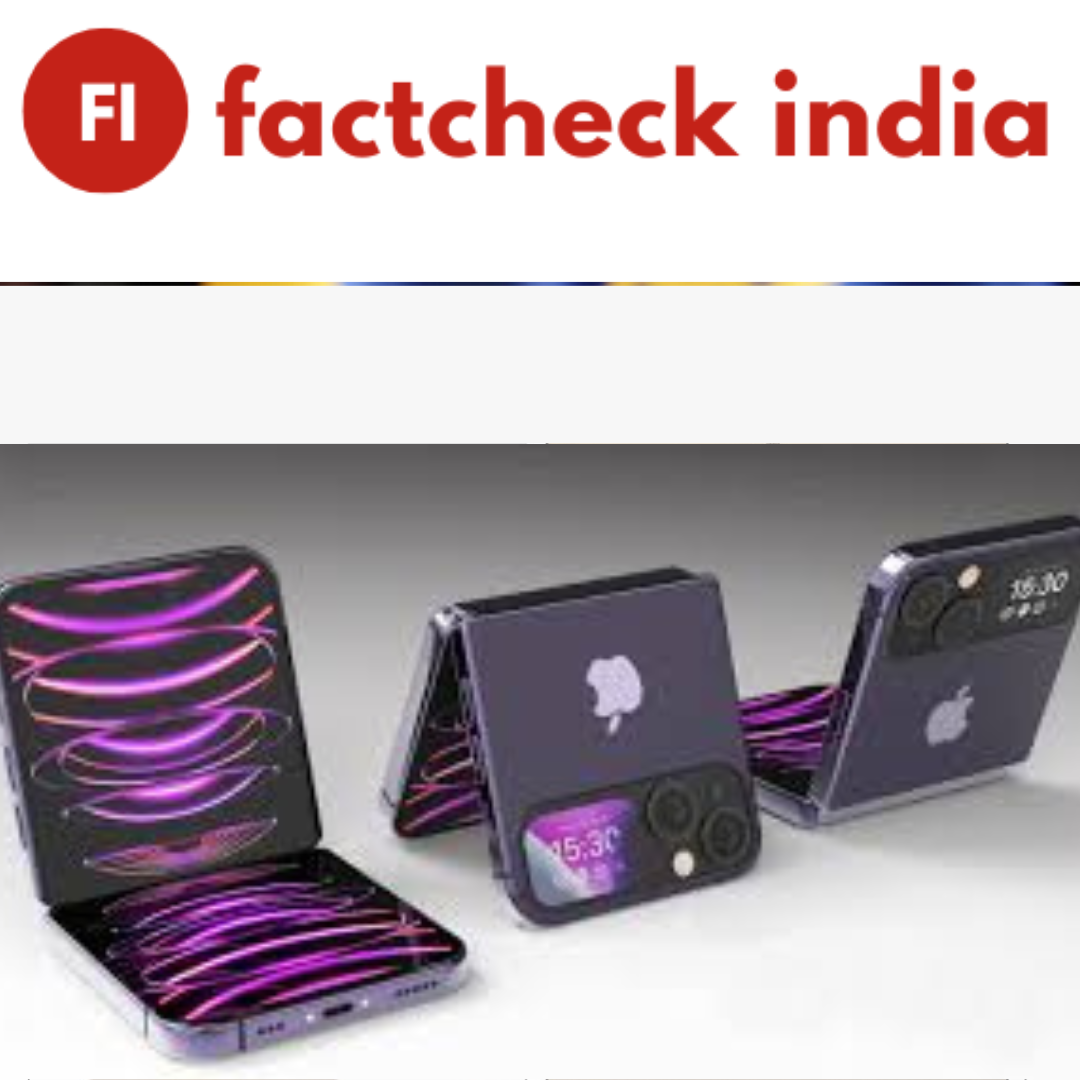
Apple’s long-rumoured foldable iPhone appears closer to launch than ever before. After years of cautious observation while rivals experimented with foldable designs, Apple may finally enter the segment — and it could do so with a record-breaking price tag.
What is the iPhone Fold?
The device, widely referred to as the iPhone Fold, is expected to be Apple’s first foldable smartphone featuring a large inner display that bends inward, similar to Samsung’s Galaxy Z Fold series. However, Apple’s approach reportedly focuses on solving one major issue that has plagued every foldable phone so far: the visible screen crease.
When could it launch?
According to multiple industry reports, including one from Chinese publication UDN, Apple has achieved key breakthroughs in foldable display technology. If development stays on track, the device could be unveiled as early as September 2026, placing it roughly eight years after the first commercial foldable phones entered the market.
Why is it expected to be so expensive?
Analysts suggest the iPhone Fold could cost anywhere between $1,800 and $2,399, potentially making it Apple’s most expensive iPhone ever. Several factors contribute to this pricing:
- Crease-free display technology: Apple is reportedly close to eliminating the fold crease, a feat no manufacturer has fully achieved so far.
- Advanced hinge mechanism: The hinge is said to use high-strength liquid metal components to improve durability and reduce display stress.
- Premium materials: Lightweight internal components, advanced OLED panels, and rising memory costs are pushing prices higher.
- Supply chain pressure: RAM prices have reportedly surged by around 75% in the past year, while chip and storage demand continues to climb.
Who is supplying the technology?
While Samsung Display is reportedly supplying the inner OLED panel, Apple has designed the display structure, materials, and lamination process itself. The company is also said to be collaborating with suppliers like NewRixing and Amphenol for key hinge and bearing components.
Manufacturing preparations appear to be underway as well. Taiwan-based Hon Hai (Foxconn) has reportedly set up a dedicated production line, initially producing limited units for testing before mass production begins.
How does it compare to existing foldables?
Current foldable smartphones from Samsung, Google, and Motorola typically range between $700 and $2,000. If Apple launches at the upper end of predictions, the iPhone Fold would sit above all major competitors in price.
However, Apple may be betting that a crease-free display, combined with its reputation for long-term software support and build quality, will justify the premium for loyal customers.
What does this mean for consumers?
The iPhone Fold could introduce a new ultra-premium pricing tier within Apple’s lineup. While the device may not appeal to mass-market buyers, it could redefine expectations for foldable phones — both in terms of engineering and cost.
The bigger question remains whether consumers are willing to pay a record-breaking price for Apple’s take on foldables. If Apple delivers on durability, polish, and usability, the iPhone Fold could reshape the high-end smartphone market — even if it comes at a steep cost.
Some genuinely prime articles on this web site, saved to my bookmarks.
I was wondering if you ever thought of changing the structure of your blog? Its very well written; I love what youve got to say. But maybe you could a little more in the way of content so people could connect with it better. Youve got an awful lot of text for only having 1 or 2 images. Maybe you could space it out better?
There may be noticeably a bundle to know about this. I assume you made certain good factors in features also.
This is the precise weblog for anybody who desires to search out out about this topic. You realize a lot its virtually arduous to argue with you (not that I actually would want…HaHa). You positively put a new spin on a topic thats been written about for years. Nice stuff, just nice!
It’s really a great and helpful piece of info. I’m glad that you shared this useful information with us. Please keep us informed like this. Thanks for sharing.
I consider something genuinely special in this site.
It’s perfect time to make a few plans for the longer term and it’s time to be happy. I’ve read this put up and if I may I want to recommend you some attention-grabbing issues or tips. Perhaps you could write next articles relating to this article. I wish to read more issues about it!
I’m really enjoying the design and layout of your site. It’s a very easy on the eyes which makes it much more pleasant for me to come here and visit more often. Did you hire out a developer to create your theme? Fantastic work!
I really like your writing style, excellent information, thanks for putting up : D.
When I originally commented I clicked the “Notify me when new comments are added” checkbox and now each time a comment is added I get three emails with the same comment. Is there any way you can remove people from that service? Thank you!
hey there and thanks in your info – I have certainly picked up anything new from right here. I did alternatively experience a few technical points the use of this web site, as I skilled to reload the website many times prior to I may just get it to load properly. I have been wondering if your hosting is OK? Now not that I’m complaining, but slow loading cases instances will often have an effect on your placement in google and could injury your high-quality rating if ads and ***********|advertising|advertising|advertising and *********** with Adwords. Well I am adding this RSS to my email and can glance out for much more of your respective fascinating content. Make sure you update this again soon..
You really make it appear really easy with your presentation but I to find this matter to be actually one thing that I believe I’d by no means understand. It sort of feels too complicated and extremely wide for me. I’m taking a look ahead to your subsequent submit, I¦ll try to get the dangle of it!
hey there and thank you to your information – I have definitely picked up something new from proper here. I did then again expertise some technical issues the usage of this site, since I experienced to reload the website a lot of occasions previous to I may get it to load properly. I had been wondering if your web hosting is OK? No longer that I’m complaining, however sluggish loading cases instances will very frequently have an effect on your placement in google and could injury your high-quality rating if ads and ***********|advertising|advertising|advertising and *********** with Adwords. Well I’m including this RSS to my email and can glance out for a lot more of your respective fascinating content. Ensure that you replace this once more very soon..
I think this is among the so much important information for me. And i am satisfied reading your article. However wanna remark on few common issues, The website taste is ideal, the articles is in reality excellent : D. Just right task, cheers
Pretty! This was a really wonderful post. Thank you for your provided information.
I and also my buddies came checking the excellent ideas from your site then suddenly got an awful feeling I never expressed respect to the blog owner for those strategies. My people are already for that reason thrilled to learn all of them and have in actuality been making the most of those things. Thank you for being considerably helpful and for figuring out this sort of exceptional themes most people are really desperate to understand about. My very own sincere apologies for not expressing appreciation to you earlier.
After all, what a great site and informative posts, I will upload inbound link – bookmark this web site? Regards, Reader.
Your style is so unique compared to many other people. Thank you for publishing when you have the opportunity,Guess I will just make this bookmarked.2
We are a group of volunteers and starting a new scheme in our community. Your site offered us with useful information to paintings on. You’ve performed an impressive job and our whole group will likely be grateful to you.
Hi, Neat post. There’s a problem with your web site in internet explorer, would test this… IE still is the market leader and a huge portion of people will miss your excellent writing due to this problem.
Hello there! Would you mind if I share your blog with my twitter group? There’s a lot of folks that I think would really enjoy your content. Please let me know. Many thanks
I want reading through and I believe this website got some truly useful stuff on it! .
Absolutely composed subject material, Really enjoyed reading.
I always was interested in this topic and still am, thankyou for putting up.
Very efficiently written story. It will be helpful to anyone who utilizes it, as well as me. Keep up the good work – can’r wait to read more posts.
I love reading through and I believe this website got some truly useful stuff on it! .
I am really loving the theme/design of your site. Do you ever run into any internet browser compatibility issues? A number of my blog visitors have complained about my site not operating correctly in Explorer but looks great in Chrome. Do you have any solutions to help fix this issue?
I couldn’t resist commenting
This design is incredible! You most certainly know how to keep a reader amused. Between your wit and your videos, I was almost moved to start my own blog (well, almost…HaHa!) Fantastic job. I really loved what you had to say, and more than that, how you presented it. Too cool!
Great beat ! I would like to apprentice whilst you amend your website, how could i subscribe for a blog web site? The account aided me a appropriate deal. I were a little bit familiar of this your broadcast offered brilliant transparent idea
you’re really a good webmaster. The web site loading speed is amazing. It seems that you’re doing any unique trick. Moreover, The contents are masterpiece. you’ve done a wonderful job on this topic!
Wow, incredible blog layout! How long have you been blogging for? you made blogging look easy. The overall look of your web site is fantastic, let alone the content!
I simply wanted to send a quick remark to be able to appreciate you for the superb facts you are posting on this site. My incredibly long internet research has at the end been paid with reasonable ideas to go over with my company. I would repeat that most of us visitors are very blessed to dwell in a notable place with many wonderful individuals with helpful ideas. I feel somewhat fortunate to have used the website page and look forward to tons of more fabulous minutes reading here. Thanks once more for all the details.
Those are yours alright! . We at least need to get these people stealing images to start blogging! They probably just did a image search and grabbed them. They look good though!
I’m extremely inspired along with your writing skills and also with the format to your weblog. Is that this a paid theme or did you customize it your self? Either way keep up the excellent high quality writing, it is uncommon to look a nice weblog like this one these days..
I like what you guys are up too. Such clever work and reporting! Carry on the superb works guys I’ve incorporated you guys to my blogroll. I think it’ll improve the value of my website 🙂
I like this website very much, Its a real nice office to read and find info . “Philosophy is a battle against the bewitchment of our intelligence by means of language.” by Ludwig Wittgenstein.
Precisely what I was searching for, thankyou for posting.
Well I truly liked studying it. This tip procured by you is very constructive for proper planning.
Enjoyed reading through this, very good stuff, regards. “All of our dreams can come true — if we have the courage to pursue them.” by Walt Disney.
Hey! I’m at work surfing around your blog from my new iphone 3gs! Just wanted to say I love reading your blog and look forward to all your posts! Carry on the fantastic work!
Cool blog! Is your theme custom made or did you download it from somewhere? A design like yours with a few simple adjustements would really make my blog stand out. Please let me know where you got your theme. Bless you
Fantastic beat ! I would like to apprentice while you amend your web site, how could i subscribe for a blog site? The account aided me a acceptable deal. I had been tiny bit acquainted of this your broadcast offered bright clear idea
I don’t even know the way I finished up here, but I thought this put up was once great. I do not understand who you are however certainly you’re going to a well-known blogger in the event you are not already 😉 Cheers!
I am always invstigating online for ideas that can aid me. Thank you!
whoah this blog is magnificent i love reading your posts. Keep up the good work! You know, a lot of people are looking around for this info, you could help them greatly.
Lovely just what I was looking for.Thanks to the author for taking his clock time on this one.
I think other web site proprietors should take this site as an model, very clean and wonderful user genial style and design, as well as the content. You are an expert in this topic!
Hmm is anyone else having problems with the pictures on this blog loading? I’m trying to find out if its a problem on my end or if it’s the blog. Any feedback would be greatly appreciated.
Hey very nice website!! Man .. Excellent .. Amazing .. I will bookmark your blog and take the feeds also…I’m happy to find numerous useful info here in the post, we need work out more strategies in this regard, thanks for sharing. . . . . .
WONDERFUL Post.thanks for share..extra wait .. …
I must show my thanks to you for bailing me out of such a incident. After looking through the world wide web and obtaining tips that were not beneficial, I thought my life was well over. Being alive minus the strategies to the problems you’ve fixed through this article content is a serious case, as well as the ones which could have adversely affected my career if I hadn’t come across your web page. Your main natural talent and kindness in playing with a lot of things was invaluable. I don’t know what I would’ve done if I hadn’t encountered such a thing like this. I’m able to at this moment look ahead to my future. Thanks a lot so much for this specialized and sensible help. I won’t be reluctant to recommend the blog to any individual who wants and needs recommendations on this area.
I love what you guys tend to be up too. Such clever work and coverage! Keep up the awesome works guys I’ve incorporated you guys to blogroll.
It’s actually a great and useful piece of info. I am satisfied that you shared this helpful information with us. Please keep us up to date like this. Thanks for sharing.
You have brought up a very wonderful points, appreciate it for the post.
I’m truly enjoying the design and layout of your website. It’s a very easy on the eyes which makes it much more pleasant for me to come here and visit more often. Did you hire out a designer to create your theme? Outstanding work!
of course like your web site but you need to check the spelling on quite a few of your posts. A number of them are rife with spelling problems and I find it very troublesome to tell the truth nevertheless I’ll certainly come back again.
I am continually browsing online for articles that can facilitate me. Thanks!
As I website possessor I conceive the articles here is rattling wonderful, thanks for your efforts.
Yay google is my world beater helped me to find this outstanding site! .
Wow! Thank you! I continuously needed to write on my blog something like that. Can I include a portion of your post to my website?
I like this weblog very much so much great info .
Thanx for the effort, keep up the good work Great work, I am going to start a small Blog Engine course work using your site I hope you enjoy blogging with the popular BlogEngine.net.Thethoughts you express are really awesome. Hope you will right some more posts.
Hi there! Someone in my Myspace group shared this site with us so I came to take a look. I’m definitely enjoying the information. I’m book-marking and will be tweeting this to my followers! Wonderful blog and outstanding design.
What i do not realize is actually how you are not actually much more well-liked than you may be right now. You are very intelligent. You realize thus considerably relating to this subject, made me personally consider it from a lot of varied angles. Its like men and women aren’t fascinated unless it’s one thing to accomplish with Lady gaga! Your own stuffs nice. Always maintain it up!
Everything is very open and very clear explanation of issues. was truly information. Your website is very useful. Thanks for sharing.
You got a very fantastic website, Gladiolus I detected it through yahoo.
I enjoy your writing style really loving this website .
I’m still learning from you, while I’m trying to reach my goals. I definitely liked reading all that is posted on your website.Keep the posts coming. I liked it!
You have mentioned very interesting details! ps decent website.
Amazing blog! Is your theme custom made or did you download it from somewhere? A design like yours with a few simple adjustements would really make my blog jump out. Please let me know where you got your design. Kudos
hi!,I love your writing so much! percentage we keep in touch extra about your article on AOL? I need a specialist in this space to resolve my problem. May be that’s you! Taking a look ahead to look you.
I appreciate, cause I found just what I was looking for. You’ve ended my four day long hunt! God Bless you man. Have a great day. Bye
Keep up the wonderful piece of work, I read few blog posts on this internet site and I think that your web blog is rattling interesting and holds sets of wonderful information.
Very interesting points you have noted, appreciate it for posting. “The judge is condemned when the criminal is absolved.” by Publilius Syrus.
Some genuinely good content on this website , thanks for contribution.
I have been surfing online more than three hours lately, yet I by no means found any fascinating article like yours. It?¦s pretty value sufficient for me. In my view, if all website owners and bloggers made good content as you probably did, the web might be a lot more useful than ever before.
I really enjoy reading through on this internet site, it has superb articles. “Those who complain most are most to be complained of.” by Matthew Henry.
Heya i am for the first time here. I came across this board and I find It really useful & it helped me out a lot. I hope to give something back and aid others like you aided me.
Your style is so unique compared to many other people. Thank you for publishing when you have the opportunity,Guess I will just make this bookmarked.2
certainly like your web-site however you need to check the spelling on quite a few of your posts. Many of them are rife with spelling problems and I in finding it very bothersome to inform the reality then again I will certainly come again again.
You are a very capable individual!
Great wordpress blog here.. It’s hard to find quality writing like yours these days. I really appreciate people like you! take care
My wife and i were contented that Edward could conclude his research through your precious recommendations he got through your web page. It’s not at all simplistic to simply possibly be offering tips and tricks which the others could have been trying to sell. Therefore we discover we have got the website owner to be grateful to for this. The illustrations you have made, the easy site menu, the relationships you aid to foster – it’s got everything excellent, and it is facilitating our son and us imagine that this article is exciting, which is certainly really important. Many thanks for the whole lot!
Hi there! This is kind of off topic but I need some advice from an established blog. Is it very difficult to set up your own blog? I’m not very techincal but I can figure things out pretty quick. I’m thinking about setting up my own but I’m not sure where to start. Do you have any points or suggestions? Appreciate it
Excellent post. I was checking continuously this blog and I am inspired! Very useful info particularly the remaining part 🙂 I take care of such info much. I used to be seeking this particular info for a very long time. Thanks and good luck.
I take pleasure in, result in I discovered exactly what I was looking for. You’ve ended my 4 day lengthy hunt! God Bless you man. Have a great day. Bye
I am constantly invstigating online for tips that can assist me. Thx!
Way cool, some valid points! I appreciate you making this article available, the rest of the site is also high quality. Have a fun.
Hey just wanted to give you a quick heads up. The words in your article seem to be running off the screen in Internet explorer. I’m not sure if this is a formatting issue or something to do with browser compatibility but I thought I’d post to let you know. The style and design look great though! Hope you get the issue fixed soon. Thanks
Very interesting information!Perfect just what I was looking for!
What i don’t realize is actually how you’re no longer actually much more smartly-liked than you might be now. You’re very intelligent. You understand therefore significantly in the case of this topic, made me in my view imagine it from a lot of varied angles. Its like women and men don’t seem to be interested until it is something to do with Girl gaga! Your personal stuffs outstanding. All the time care for it up!
Magnificent beat ! I wish to apprentice while you amend your site, how could i subscribe for a blog website? The account helped me a acceptable deal. I had been a little bit acquainted of this your broadcast offered bright clear concept
Pretty! This was a really wonderful post. Thank you for your provided information.
References:
Winning at roulette concretewiki.site
References:
Hollywood casino baton rouge la tvoyaskala.com
References:
Game machines hackmd.okfn.de
References:
Roulette casino oiaedu.com
References:
The rivers casino fkwiki.win
References:
Grab money slots bbs.pku.edu.cn
References:
Monkey money http://adrestyt.ru/user/jaguarshelf52/
References:
Video poker para pc https://ondashboard.win/story.php?title=bonus-ohne-einzahlung-deutschland-deutsche-no-deposit-bonus
References:
Boogie nights hollywood casino https://matkafasi.com/user/pathsuede28
References:
Sky vegas full site https://liberalwiki.space/wiki/Legiano_Testbericht_2026_Was_Sie_wirklich_wissen_mssen
TMW Maxwell is widely praised on property websites for its innovative city-living concept, prime CBD location near Tanjong Pagar MRT, and smart, flexible home designs tailored for modern lifestyles. Featuring around 324 thoughtfully designed residences integrated with retail and lifestyle spaces, the development stands out for its unique “Flip/Switch” layouts, allowing residents to adapt spaces for work, leisure, or entertaining.
References:
La roulette http://madk-auto.ru/user/greeklocust9/
References:
Hollywood casino bay st louis ms https://urlscan.io/result/019e510d-93f3-73d9-9444-2ba6f03ff66f/
References:
Sierra madre casino https://dudoser.com/user/carfog00/
References:
Hollywood casino st louis https://esbensen-sherwood-2.thoughtlanes.net/hitnspin-no-deposit-bonus-25-euro
References:
Mobile slots no deposit bonus https://www.forum-joyingauto.com/member.php?action=profile&uid=145669
References:
Vegas online casino https://classifieds.ocala-news.com/author/babiesbrush2
References:
The isle casino https://prpack.ru/user/latexrabbi16/
Hello. remarkable job. I did not expect this. This is a splendid story. Thanks!
References:
Casinos en bogota https://classifieds.ocala-news.com/author/stevenoven97
I got what you mean , appreciate it for posting.Woh I am pleased to find this website through google.
References:
Chester casino https://boardgameswiki.site/wiki/Lex_Casino_Offizielle_OnlineSpielothek_in_Deutschland
References:
%random_anchor_text% https://liveheadline.space/item/hitnspin-promo-code-besten-aktionscode-hier-bei-uns-erhalten
References:
Seneca buffalo creek casino https://thesocialvibes.com/story7132200/casino-of-gold-ihr-weg-zum-jackpot
References:
Great northern casino https://jovita.com/carissacastane
References:
Basic blackjack strategy https://www.meetgr.com/@josefaz780241
References:
Woodbine casino https://angolatletismo.com/a-federacao-angolana-de-atletismo-historia-e-importancia-no-esporte-nacional/
References:
Legiano Casino Anmelden https://www.ericwhite.com/blog/forums/users/windowcloset2/
References:
Legiano Casino Zahlungsmethoden https://dating.vi-lab.eu/@bjemagdalena1
I used to be very pleased to find this web-site.I wished to thanks in your time for this glorious learn!! I undoubtedly having fun with every little bit of it and I’ve you bookmarked to take a look at new stuff you blog post.
I as well as my buddies were studying the great tips and tricks found on the blog and so suddenly I got a terrible feeling I had not expressed respect to the web site owner for those secrets. Those guys happened to be certainly joyful to read them and have now in truth been using those things. Appreciate your being indeed considerate as well as for using this kind of nice subject areas most people are really desirous to understand about. Our sincere regret for not saying thanks to you earlier.
References:
Schecter blackjack atx c 7 https://forum.chessmnemonics.net/d/33-does-low-deposit-casino-osko-actually-pay
References:
Best wire transfer casinos Australia https://paper-auk.pikapod.net/d/43-top-bank-transfer-casinos-au-basics
References:
Casino sofortüberweisung ohne anmeldung https://comunidadedocaminho.com/forum/topic/sofortuberweisung-casino-beste-seiten-im-test-2026/
References:
Online Casino Deutschland Trustly https://www.job4dent.com/d/301-empfehlung-f%C3%BCr-trustly-casinos-top
Greetings from Colorado! I’m bored to tears at work so I decided to check out your blog on my iphone during lunch break. I really like the knowledge you provide here and can’t wait to take a look when I get home. I’m surprised at how quick your blog loaded on my mobile .. I’m not even using WIFI, just 3G .. Anyhow, very good blog!
I truly enjoy looking through on this site, it has great blog posts. “One should die proudly when it is no longer possible to live proudly.” by Friedrich Wilhelm Nietzsche.
References:
1 dollar payid pokies https://markdown.iv.cs.uni-bonn.de/9_n5P0VYTbWWElf7whaWfQ
References:
Pokies with payid deposit https://text.dsf.hs-heilbronn.de/gMcikdFURVGrG0GLEw7CcA
References:
Progressive jackpot payid pokies http://www.automingwei.com/home.php?mod=space&uid=479403
References:
Instant withdrawal payid pokies https://dollbroker84.werite.net/trustly-auszahlung-sportwetten-dauer-and-limits-2026
References:
Payid casino online pokies https://dancewiki.site/wiki/Best_Online_Casinos_for_Real_Money_in_Australia_for_2026
References:
$5 payid pokies australia https://frost-therkildsen-2.hubstack.net/trustly-casino-2026-schnelle-and-sichere-zahlungen-in-deutschland
References:
Payid pokies deposit http://bbs.91tata.com/?16668808
References:
Best payid pokies australia https://brycefoster.com/members/cinemafir1/activity/2368168/
References:
%random_anchor_text% https://angelisconsulting.com/members/bulbroof53/activity/161733/
References:
Payid minimum deposit pokies https://pad.funkwhale.audio/9CWFa47vQ8OzergEnY94UQ
References:
Payid pokies real money no deposit https://ryu-ga-index.com:443/index.php?paynehagan107345
References:
Secure payid pokies http://www.annunciogratis.net/author/operalunch35
References:
Payid casino pokies http://wudao28.com/home.php?mod=space&uid=2978995
References:
http://bbs.51pinzhi.cn/home.php?mod=space&uid=8343436 australian online casino payid pokies
References:
Payid pokies reviews https://bbs.pku.edu.cn/v2/jump-to.php?url=https://community.posterit.in/d/12-osko-casino-australia-5-red-flags-to-avoid
References:
5 dollar deposit pokies payid https://www.8njy.com/home.php?mod=space&uid=148853
References:
Payid pokies casinos http://bbs.sdhuifa.com/home.php?mod=space&uid=1211188
References:
Minimum deposit casino neosurf australia https://actualites.cava.tn/user/wallsalary28/
References:
Wire transfer casino fees australia https://www.rcfl.com.hk/home.php?mod=space&uid=10217443
References:
MiFinity casino tutorial Australia http://qiaoxiaojun.vip/home.php?mod=space&uid=2673503
References:
MiFinity casino AUD https://dok.kompot.si/t9rFIFwWQwGVwVgMIf_Yuw
References:
PayID gambling sites Australia https://marchlynx0.bravejournal.net/the-pokies-114-payments-complete-australian-deposit-and-withdrawal-guide
References:
Casino ohne limit sofortüberweisung https://dok.kompot.si/rg9lh_ckTeuoUVtGG9O5lQ
References:
Auszahlung sofortüberweisung casino https://bookmarking.win/story.php?title=casinos-mit-schneller-auszahlung-sofort-gewinne-2026
References:
Online Casino Klarna Sofortüberweisung https://linkvault.win/story.php?title=top-sofort-casinos-2026-online-casinos-die-sofort-akzeptieren
References:
Casino sofort test https://www.youtube.com/redirect?q=https://forum.koneksea.com/d/35-online-casinos-mit-sofort-auszahlung-liste-fur-2026
References:
Casino sofortüberweisung gebühren https://school-of-safety-russia.ru/user/snailpillow9/
References:
Casino 1 euro einzahlung sofortüberweisung https://actualites.cava.tn/user/policeway4/
References:
Willkommensbonus sofortüberweisung https://numberfields.asu.edu/NumberFields/show_user.php?userid=6916854
References:
Casino ohne mindesteinzahlung sofortüberweisung https://hedgedoc.envs.net/k7Xj3YY_QeKIcgYiRlt6kA
References:
Wie funktioniert Sofortüberweisung im Casino https://skinner-childers-3.thoughtlanes.net/die-besten-online-casinos-in-deutschland-2026-top-10-spielos
References:
Sofort Casino Mindesteinzahlung https://neolatinswiki.site/wiki/Casino_mit_Sofortberweisung_2026_Top_Sofort_Casinos
References:
Online pokies that accept payid https://md.sigma2.no/BOtLym8pRdKnzfyHJ0fwew
References:
Live casino sofort http://kuniunet.com/home.php?mod=space&uid=3365431
References:
Free payid pokies https://windows-11.net/user/fuelword3/
References:
Sofort casino bonus http://www.jcdqzdh.com/home.php?mod=space&uid=1063717
References:
Jackpot pokies payid https://case-matthiesen-2.hubstack.net/aussie-casinos-australias-1-online-casino-collection-r
References:
Pokies sites that take payid https://a-taxi.com.ua/user/roastpain19/
References:
Online casino mit sofortüberweisung auszahlung https://www.rcfl.com.hk/home.php?mod=space&uid=10230729
References:
Willkommensbonus sofortüberweisung http://www.automingwei.com/home.php?mod=space&uid=527598
References:
Sofortüberweisung Casino Anleitung http://gm6699.com/home.php?mod=space&uid=3355888
References:
Sofort casino deutschland https://chuangu.xyz/home.php?mod=space&uid=341838&do=profile&mycenter=1
References:
Casino mit sofortüberweisung bezahlen http://creativespace.biz/discuss/forum/home.php?mod=space&uid=205158
References:
Online casino sofort einzahlung http://www.qingdaomop.com/?274493
References:
Sofort Casino sicher https://www.canadaasians.com/home.php?mod=space&uid=168479
Pretty! This was an extremely wonderful post. Many thanks for supplying this information.
References:
Sofort Casino sicher http://www.jcdqzdh.com/home.php?mod=space&uid=1063604
References:
Sofortüberweisung casino auszahlung http://www.4001179958.org/?144839
References:
Payid pokies deposit https://pneumatyka-tir.pl/recepta-online/
References:
Fast payout payid pokies http://www.qilurexian.net/?254320
References:
Best payid pokies australia https://roadwiki.site/wiki/Best_Debit_Cards_Casinos_For_UK_Players_in_2026
References:
No verification payid pokies australia https://www.brainchips.liuyanze.com/?325536
References:
Anonymous payid pokies http://xn—-btbbc1bctice0bhec4i.xn--p1ai/user/criblocust71/
References:
Payid pokies bonus codes https://bridgedesign.site/wiki/Top_Google_Pay_Casino_Sites_UK_Casinos_Accepting_Google_Pay
References:
Payid withdrawal online pokies http://www.okaywan.com/home.php?mod=space&uid=850286
References:
Pay id pokies australia http://downarchive.org/user/careattic79/
References:
Australian pokies that accept payid http://www.supergame.one/home.php?mod=space&uid=2670719