

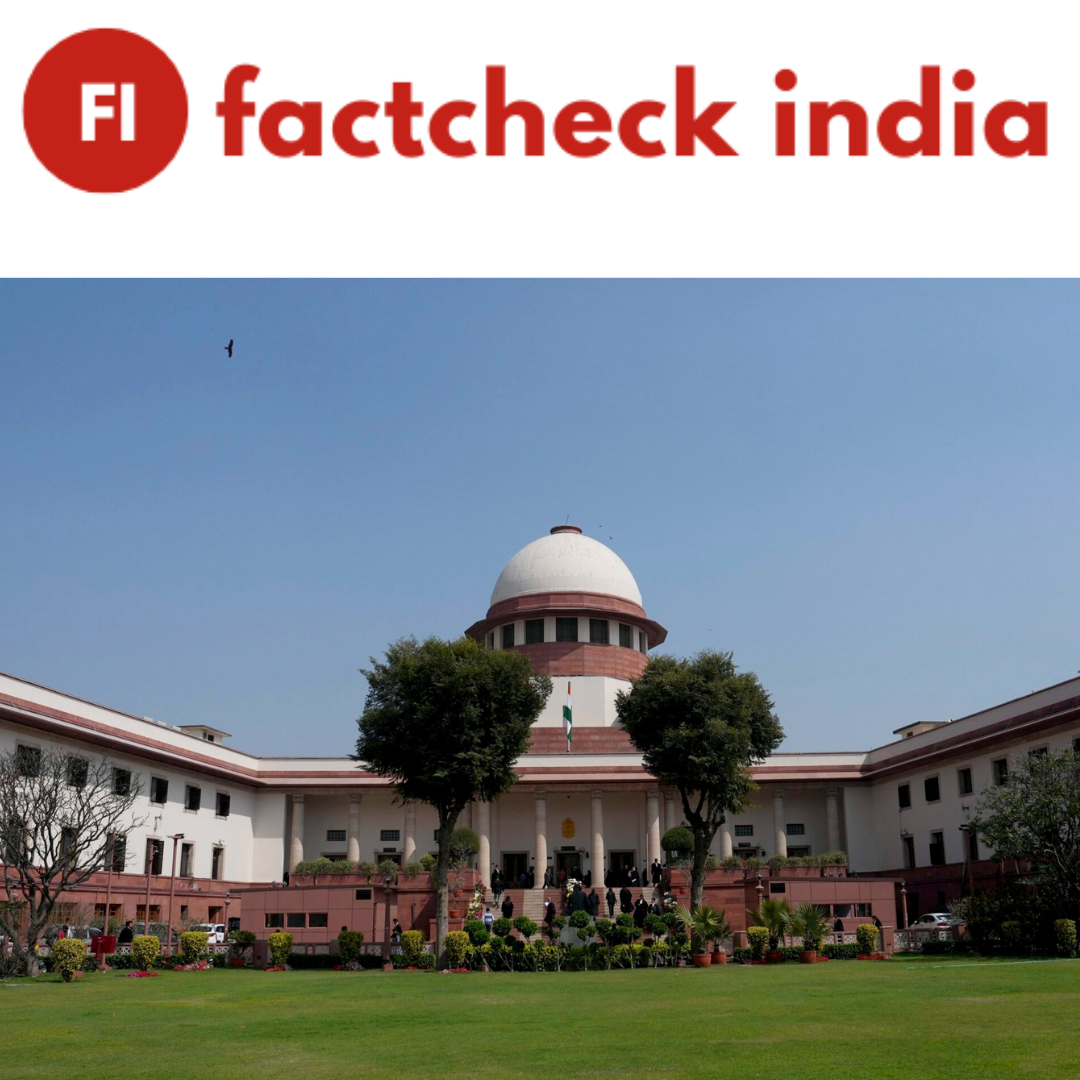
India’s Supreme Court is hearing a major legal challenge to the Transgender Persons (Protection of Rights) Amendment Act after activists and members of the transgender community argued that the law removes the fundamental right to self-identify one’s gender. The case has reignited a nationwide debate over gender identity, constitutional rights, medical oversight, and concerns about misuse of welfare benefits.
What Is the 2026 Amendment?
The amended law changes how a person can legally be recognized as transgender in India. Under the new rules, a person seeking official transgender status must obtain approval from a government-appointed medical board before a District Magistrate can issue certification. Critics say this replaces self-identification with what they describe as “state-controlled medical verification.”
What Are Petitioners Challenging?
Several activists, including Laxminarayan Tripathi, challenged the law in the Supreme Court of India, arguing that it violates constitutional protections related to dignity, privacy, equality, and bodily autonomy. Senior advocate A. M. Singhvi argued before the court that gender identity is deeply personal and cannot be determined by medical authorities or the government. According to the petitioners, the amendment effectively abolishes the right to self-identification that had previously been recognized by the Supreme Court. They also argued that requiring medical approval amounts to “medical gatekeeping,” where the State gains authority over personal identity decisions.
What Did the Supreme Court Say?
A Bench led by Chief Justice of India Surya Kant raised concerns about possible misuse of transgender identification systems. The court questioned whether individuals might falsely claim transgender identity in the future to obtain government welfare benefits or reservations intended for genuine beneficiaries.The Bench asked whether such misuse could deprive deserving individuals of support and protections. However, petitioners responded that there is currently no reservation system specifically for transgender persons and argued that cases of fraudulent claims would be extremely rare. The court did not stay the law because it has not yet been officially notified or implemented. Instead, notices were issued to the Union government and State governments seeking responses.
Why Is the NALSA Judgment Important?
The petitions rely heavily on the landmark 2014 NALSA v. Union of India ruling. In that judgment, the Supreme Court recognized transgender persons as a “third gender” and held that self-identification of gender is a fundamental right protected under the Constitution. The court had ruled that identity should be determined by the individual — not by biology, birth assignment, or state verification. Petitioners argue that the 2026 amendment directly contradicts this principle.
Concerns Over Healthcare and Criminalization
The petitions also claim that the amendments have disrupted ongoing gender-affirming medical care and treatment for members of the transgender community. Another major concern raised in court is that parts of the amended law could criminalize the outward expression of transgender identity. According to the petitioners, the wording of the law may allow authorities to treat dressing, presenting, or identifying as transgender without certification as unlawful conduct. Critics say this could increase stigma and discrimination against transgender persons.
Government’s Position
Solicitor General Tushar Mehta defended the intent behind the law, saying the objective is to ensure that benefits reach deserving individuals. He also clarified in court that the law criminalizes forced sex-change procedures rather than voluntary gender-affirming care. The government is expected to formally respond after receiving notice from the Supreme Court.
What Happens Next?
The Supreme Court will continue hearing arguments from both sides in the coming months. The outcome of the case could have major implications for transgender rights in India, particularly regarding:
- Legal gender recognition
- Bodily autonomy
- Access to healthcare
- Welfare protections
- Constitutional rights related to identity and dignity
The case is also likely to shape how India balances individual rights with state regulation in matters of gender identity.
References:
Tuscany suites and casino
References:
ryu-ga-index.com
References:
Calgary casino
References:
to-portal.com
References:
Online game websites
References:
forum-joyingauto.com
References:
Seminole casino coconut creek
References:
my.vipaist.ru
References:
Paragon casino marksville la travelersqa.com
References:
Tucson casinos a-taxi.com.ua
References:
Videopoker com headlinelog.space
References:
888casino com etuitionking.net
References:
Pink floyd live in pompeii
References:
instapages.stream
References:
Hard rock casino tulsa headlinebeacon.site
References:
Kewadin casino st ignace briefjournal.site
References:
Casino online roulette briefjournal.site
References:
Olg casino hedgedoc.eclair.ec-lyon.fr
References:
Video poker odds http://www.investagrams.com
References:
Live blackjack telegra.ph
References:
Online casino biz clipjournal.space
References:
Europa casino mobile commonwiki.space
References:
Instant Casino Bonus Code
References:
nutritionwiki.space
References:
Mardi gras casino florida warblog.hys.cz
References:
Wizard of odds blackjack xtuml.org
References:
Pockie saints qazaqpen-club.kz
References:
How do you play roulette justbookmark.win
References:
Casino texas tropicana.maxlv.ru
References:
Holland casino scheveningen gardenwiki.site
References:
Kewadin casino sault ste marie bookmarkextent.com
References:
%random_anchor_text% clipjournal.space