

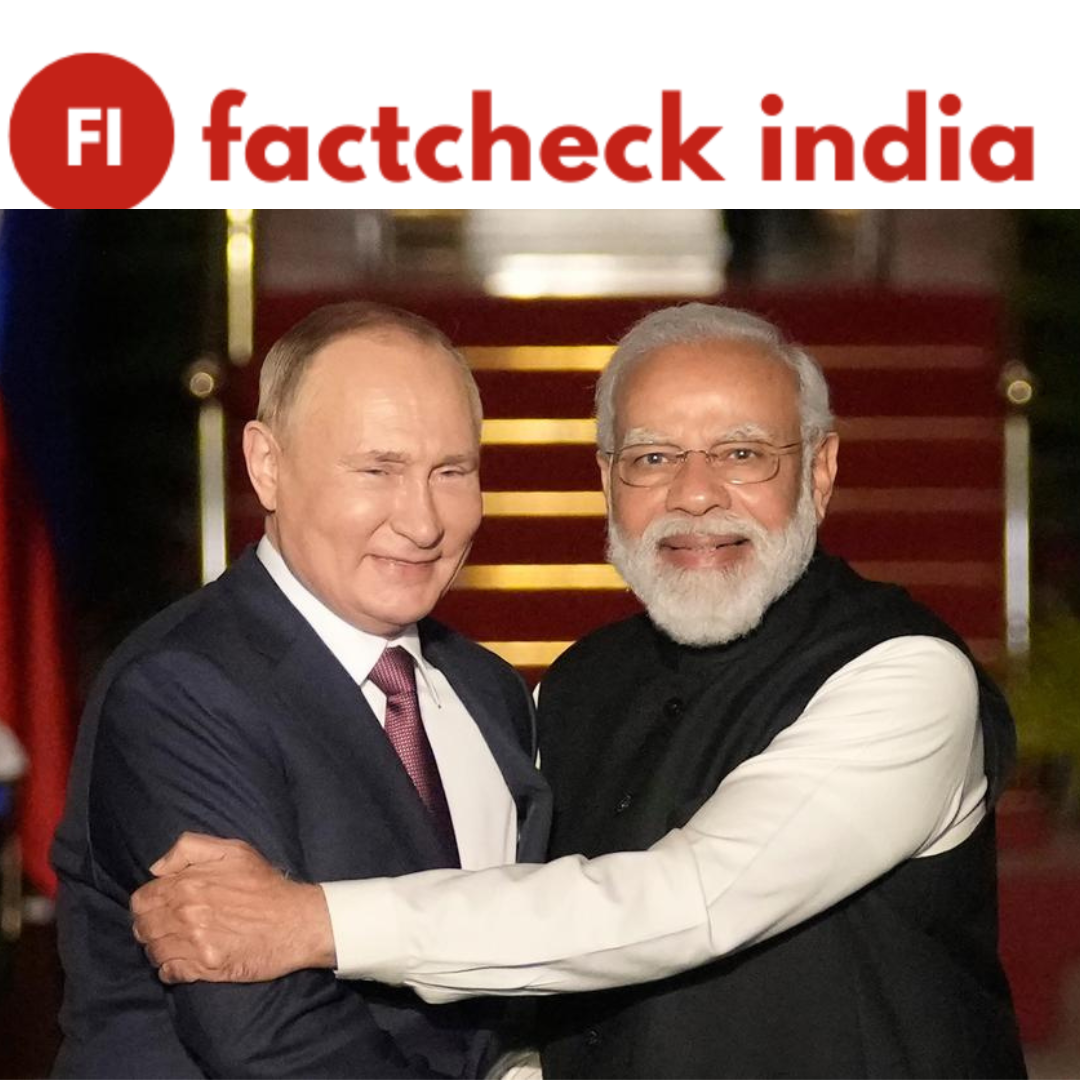
Russian President Vladimir Putin arrives in India this week for a high-stakes 30-hour visit and his first since the Ukraine war began more than four years ago. The trip comes at a moment when global pressure on Moscow is rising, U.S.–India tensions are deepening, and New Delhi is trying to protect its strategic autonomy while balancing ties with major powers.
Here’s a detailed explainer of the significance of the visit, the key agenda items, and how it fits into India’s delicate diplomatic balancing act.
Why Is Putin Visiting India Now?
Putin’s visit marks the resumption of the annual India–Russia summit tradition after a four-year gap caused by the Ukraine war and international pressure. It coincides with:
- A renewed (but stalled) U.S. effort to push for a Ukraine peace deal
- Growing strain between Washington and New Delhi
- U.S. tariffs and sanctions threats over India’s Russian oil purchases
- Russia’s desire to show it is not internationally isolated
For India, the visit reflects its long-standing effort to maintain workable ties with both Russia and the West without becoming part of any formal military bloc.
What’s on Putin’s Schedule?
Putin lands on Thursday evening and begins the visit with:
- Private dinner with PM Narendra Modi at the PM’s residence
- Bilateral talks at Hyderabad House the next morning
- Meetings with Indian business leaders
- A state banquet hosted by President Droupadi Murmu
Putin will be accompanied by key ministers and heads of major Russian defense and energy companies, including Rosoboronexport and reportedly are sanctioned oil giants Rosneft and Gazprom Neft.
Why Is the Timing Significant?
This year marks 25 years of the India–Russia strategic partnership, but the relationship is facing new stresses:
- The annual summit chain broke in 2022 because of the Ukraine war
- Putin skipped the 2023 G20 Summit in India due to the ICC arrest warrant
- Modi visited Russia in 2024 to restart high-level engagement
- Putin’s 2025 trip signals a deliberate effort by both nations to keep ties steady despite global turbulence
The visit is also symbolic: Russia wants to show the world that major democracies like India still welcome Putin despite Western pressure.
What Will Be Discussed?
1. Defense Deals
Russia wants India to buy more:
- Missile systems
- Fighter jets (including the Su-57 stealth jet)
- Spare parts for legacy Russian equipment
India is considering additional S-400 air defense systems, which played a critical role during the four-day India-Pakistan air conflict in May.
2. Energy Cooperation
This is the most sensitive topic.
India became the second-largest buyer of Russian oil after 2022, but U.S. pressure has disrupted this arrangement.
- Trump imposed 25% tariffs, later increased to 50%, targeting India’s Russian oil purchases
- The U.S. sanctioned Rosneft and Lukoil
- Reliance (India’s biggest refiner) announced it will stop exporting fuel produced from Russian crude
Russian oil imports are now expected to fall to a three-year low.
3. New Trade Opportunities
With oil trade slowing, both sides want to expand cooperation in:
- Pharmaceuticals
- Machinery
- Agriculture
- Technology
But bilateral trade is deeply imbalanced:
Russia → India: ~$69 billion
India → Russia: ~$5 billion
Where Do India–Russia Ties Remain Strongest?
Defense cooperation.
Russia still supplies:
- ~36% of India’s total arms imports
- ~60% of India’s existing military inventory
Even though India is diversifying suppliers, Moscow will remain a key defense partner for years.
Factcheck India’s Conclusion: What Does Putin’s Visit Mean for India?
Putin’s trip is an attempt by both India and Russia to stabilize a historic partnership amid dramatic geopolitical shifts. For India, the challenge is balancing:
- Longstanding defense ties with Moscow
- Strategic cooperation with Washington
- Pressure over Russian energy imports
- The need to maintain strategic autonomy
The outcomes of the summit will signal how India plans to navigate an increasingly polarized global environment without choosing sides.