

Claim
Several social media posts and online commentators claim that European leaders meeting in Downing Street have approved a breakthrough plan to unlock £78 billion in frozen Russian assets and send the money directly to Ukraine.
Verdict:
Misleading. The claim that Europe approved or finalized the release of £78bn in frozen Russian assets is misleading.
What Actually Happened in Downing Street
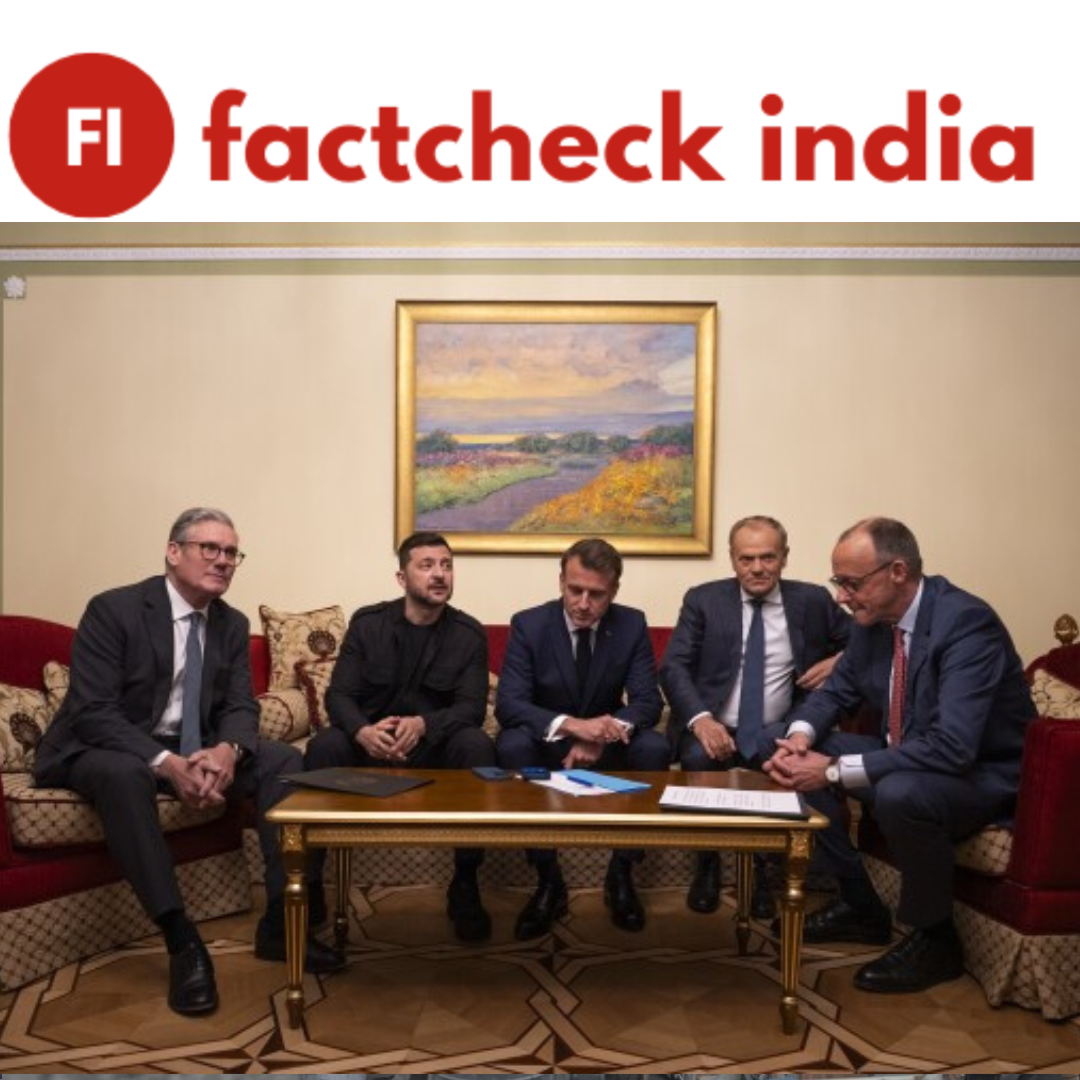
European leaders met in London, including:
- UK Prime Minister
- France’s Emmanuel Macron
- Germany’s Friedrich Merz
- Ukraine’s Volodymyr Zelenskyy
European leaders met in London for urgent consultations on Ukraine’s war, reconstruction, and the growing debate around frozen Russian assets.
Downing Street called the talks “positive progress,” but progress is not approval.
The discussions helped align positions, sharpen legal pathways, and prepare for the upcoming December EU summit, but no binding commitment was reached.
What Are The Core Facts
1. The Money at Stake
- More than £180bn in Russian state assets remain frozen across Europe.
- About £160bn of that total is held by Euroclear in Belgium, making Belgium’s support essential.
2. Why Belgium Is Blocking the Deal
Belgium is reluctant because the proposal:
- Could expose Brussels to legal liability if Moscow sues, and
- May trigger Russian retaliation against Belgian financial institutions.
This makes Belgium the single largest obstacle to releasing the funds.
3. The UK’s Position
The United Kingdom has offered to contribute £8bn of frozen Russian assets, but only as part of a collective European move.
Britain does not want to take unilateral risks.
4. December EU Summit Is the Decisive Moment
EU leaders will meet on 18–19 December to vote on the European Commission’s plan to convert frozen Russian assets into a “reparations loan” for Kyiv.
But ahead of that summit, the political math is still uncertain.
What Is The U.S. Peace Proposal Confusion
The meeting also unfolded against the backdrop of a controversial U.S. peace proposal that has sparked concerns across Europe.
- Donald Trump publicly stated that Zelenskyy had not read the U.S. plan.
- Zelenskyy insists Ukraine cannot and will not give up territory.
- Both Ukraine and Russia remain far apart on the terms.
European governments view the American proposal with suspicion, worried that it leans closer to Moscow’s positions.
Conclusion As Per Factcheck India
The claim that Europe approved or finalized the release of £78bn in frozen Russian assets is misleading.
- Talks are advancing.
- Legal paths are being mapped out.
- Political pressure is growing.
But an agreement remains pending, and Belgium’s resistance is keeping the plan from crossing the finish line. There is movement but no breakthrough. In a world where every headline promises a turning point, it’s easy to mistake momentum for victory. This week’s Downing Street gathering brought together some of Europe’s most powerful leaders, all rallying behind Volodymyr Zelenskyy at a moment when Ukraine’s future hinges on global resolve.