

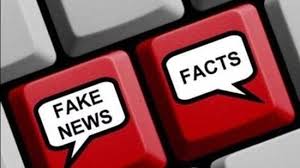
In the age of social media and instant messaging, false information spreads faster than ever. Fake news, misleading headlines, doctored images, and AI-generated content often appear alongside genuine news, making it difficult for readers to tell fact from fiction.
Fact-checking is the process of verifying information before believing or sharing it. Here’s how anyone can learn to spot fake news and misleading claims.
1. Read Beyond the Headline
Fake news often relies on sensational or emotional headlines designed to grab attention. Before reacting or sharing:
- Read the full article, not just the headline
- Check whether the content actually supports the claim made in the title
If the headline sounds shocking, urgent, or too good to be true, it deserves closer scrutiny.
2. Check the Source
Always look at who published the information.
- Is it a well-known news organization or an unfamiliar website?
- Does the site have an “About Us” section with clear ownership and contact details?
- Is the URL designed to mimic a credible outlet?
Fake news sites often copy the appearance of legitimate media but lack transparency.
3. Verify the Author
Credible articles usually name their authors.
- Search the author’s name to see if they have a history of reporting
- Be cautious of stories with no byline or vague descriptions like “staff writer”
Anonymous or fake profiles are common in misinformation campaigns.
4. Look for Supporting Evidence
Reliable reporting is backed by:
- Official statements
- Documents
- Data
- Direct quotes from identifiable sources
Be skeptical of articles that rely only on “sources say” without naming institutions or providing verifiable proof.
5. Cross-Check with Other Reports
One of the simplest fact-checking methods is comparison.
- Search for the same claim on multiple credible news platforms
- If major outlets are not reporting it, the claim may be false or exaggerated
If only one obscure website is carrying the story, that’s a warning sign.
6. Check Dates and Context
Old news is often reshared as if it is new.
- Check the publication date
- Look at whether photos or videos are from a different time or event
Out-of-context information is a common form of misinformation.
7. Verify Images and Videos
Visual content can be misleading.
- Use reverse image search tools to see where an image first appeared
- Check if a video is edited, cropped, or AI-generated
Many viral posts use real images but attach them to false claims.
8. Watch for Emotional Manipulation
Fake news often aims to provoke:
- Anger
- Fear
- Hatred
- Panic
If a post pushes you to react immediately or urges you to “share before it’s deleted,” pause and verify.
9. Use Fact-Checking Platforms
Professional fact-checking organizations specialize in verifying viral claims. These platforms:
- Analyze evidence
- Contact official sources
- Provide context and documentation
Checking their reports can help confirm whether a claim is true, false, or misleading.
10. Pause Before Sharing
The final step is personal responsibility.
- Ask yourself: Is this verified?
- Sharing unverified information—even unintentionally—helps misinformation spread
A short pause can prevent false information from reaching thousands of people.
Why Fact-Checking Matters
Misinformation can influence elections, harm public health, damage reputations, and create social unrest. Fact-checking helps protect public discourse by promoting accuracy, accountability, and trust. In a digital world flooded with information, critical thinking is the strongest defense against fake news.
Heya i’m for the first time here. I came across this board and I find It really useful & it helped me out a lot. I hope to give something back and help others like you aided me.