

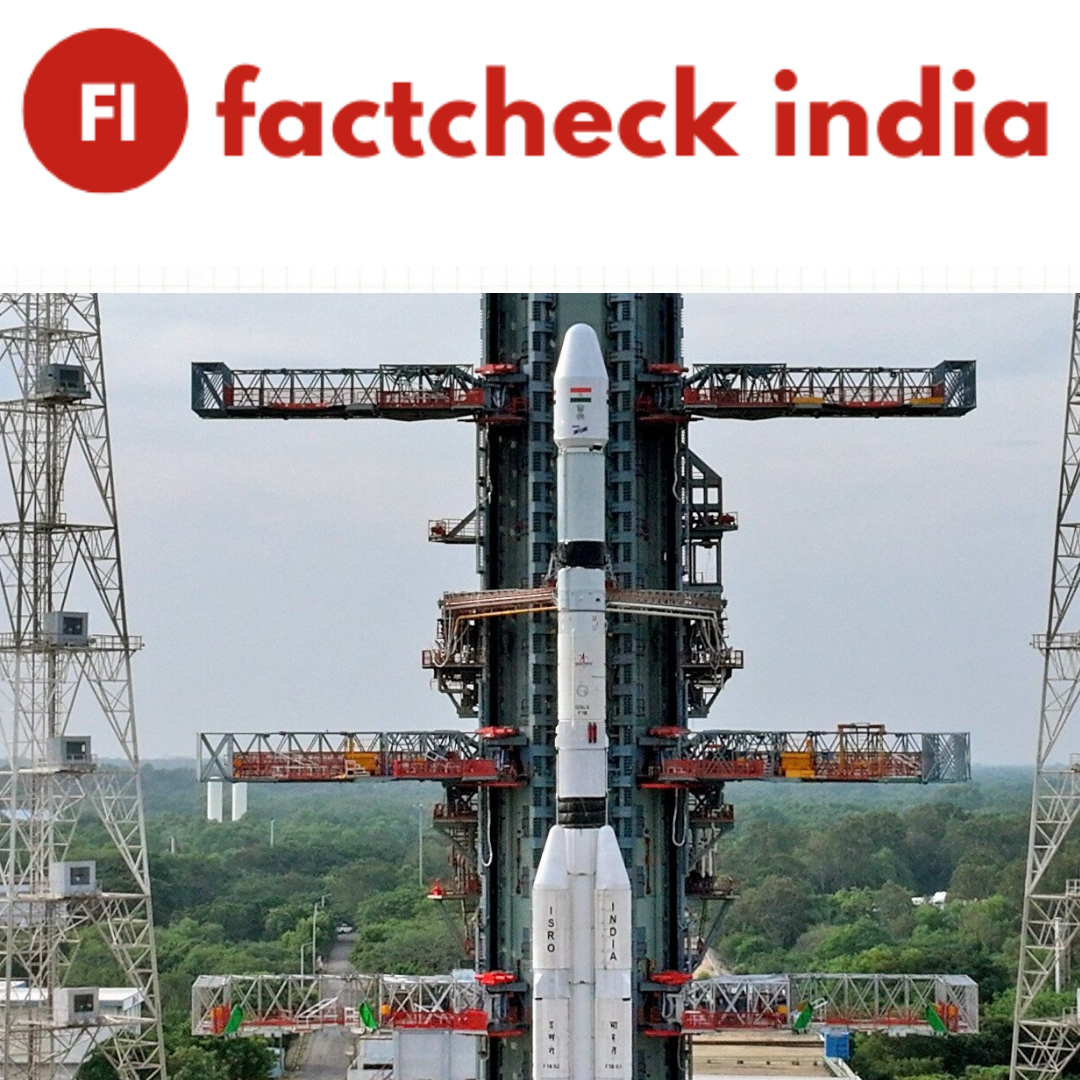
Claim: ISRO will launch the NVS-03 navigation satellite aboard the GSLV-F18 rocket from Sriharikota at 11:51 pm IST on October 30, 2026, to strengthen India’s NavIC navigation system.
Verdict: True — With Context
What Is the Claim?
A report published by News on AIR states that the Indian Space Research Organisation (ISRO) is scheduled to launch its NVS-03 navigation satellite aboard the GSLV-F18 rocket from the Second Launch Pad at the Satish Dhawan Space Centre in Sriharikota, Andhra Pradesh.
The launch is scheduled for 11:51 pm IST on October 30, 2026. The mission is expected to strengthen India’s independent satellite navigation system, Navigation with Indian Constellation (NavIC).
What Did We Find?
1. ISRO confirms the GSLV-F18/NVS-03 launch schedule
ISRO’s official mission information confirms that the GSLV-F18/NVS-03 mission is scheduled for October 30, 2026. The launch is planned from the Second Launch Pad at the Satish Dhawan Space Centre in Sriharikota. The rocket will carry NVS-03 into a Geosynchronous Transfer Orbit (GTO). The mission will mark the 20th flight of India’s Geosynchronous Satellite Launch Vehicle (GSLV).
2. NVS-03 is the third second-generation NavIC satellite
NVS-03 is the third satellite in ISRO’s second-generation navigation satellite series, which is intended to ensure continuity of navigation services under the Indian Regional Navigation Satellite System. According to ISRO, the satellite carries an indigenous atomic clock alongside procured atomic clocks. It also introduces the L1 navigation signal band in addition to the existing L5 and S-band signals. These features are intended to enhance NavIC’s navigation capabilities and service continuity.
3. What is NavIC and how does it work?
NavIC, or Navigation with Indian Constellation, is India’s independent regional satellite navigation system. It provides positioning, navigation and timing services across the Indian mainland and a region extending approximately 1,500 kilometres beyond India’s borders. The system is designed to support applications such as civilian navigation, maritime operations, disaster management and other location-based services. Unlike a global navigation system, NavIC is designed primarily to serve India and its surrounding region.
4. Why is the NVS-03 launch important?
NavIC has faced operational challenges because of ageing satellites and technical failures. In a written reply to Parliament on July 29, 2026, the government stated that only three satellites — IRNSS-1B, IRNSS-1I and NVS-01 — were then providing positioning, navigation and timing services. The government also clarified that at least four operational satellites are required to provide basic standalone positioning services. With only three available, NavIC could not provide standalone positioning, although its timing service remained functional. The government identified NVS-03 as the next satellite ready for launch, with NVS-04 and NVS-05 in advanced stages of development. If NVS-03 is successfully deployed, completes its orbital manoeuvres and becomes operational, it could restore the minimum four-satellite requirement for basic standalone positioning services.
5. The launch alone does not guarantee restoration of NavIC services
Although the scheduled mission is an important step towards strengthening NavIC, successful rocket launch and satellite deployment do not automatically mean that the satellite is ready to provide navigation services. NVS-03 must reach its intended operational orbit and undergo the necessary checks before being inducted into the constellation. The distinction is particularly relevant because the earlier NVS-02 mission encountered problems during its orbit-raising operations after launch in January 2025.
Conclusion
ISRO’s official mission information confirms that the GSLV-F18 rocket carrying the NVS-03 navigation satellite is scheduled to lift off from Sriharikota at 11:51 pm IST on October 30, 2026. The mission represents the third satellite in India’s second-generation NavIC programme and is intended to strengthen the country’s regional navigation capabilities. However, as of the publication of this report, the launch is still scheduled rather than confirmed as successful. The restoration of NavIC’s basic standalone positioning capability will depend on NVS-03 reaching its intended orbit and becoming operational.
Final Verdict
True — With Context. ISRO has officially confirmed the GSLV-F18/NVS-03 launch schedule for October 30, 2026, at 11:51 pm IST. The mission is expected to strengthen NavIC and help restore its minimum four-satellite requirement for standalone positioning. However, this restoration will depend on successful deployment, orbital manoeuvres and the satellite’s induction into operational service.