

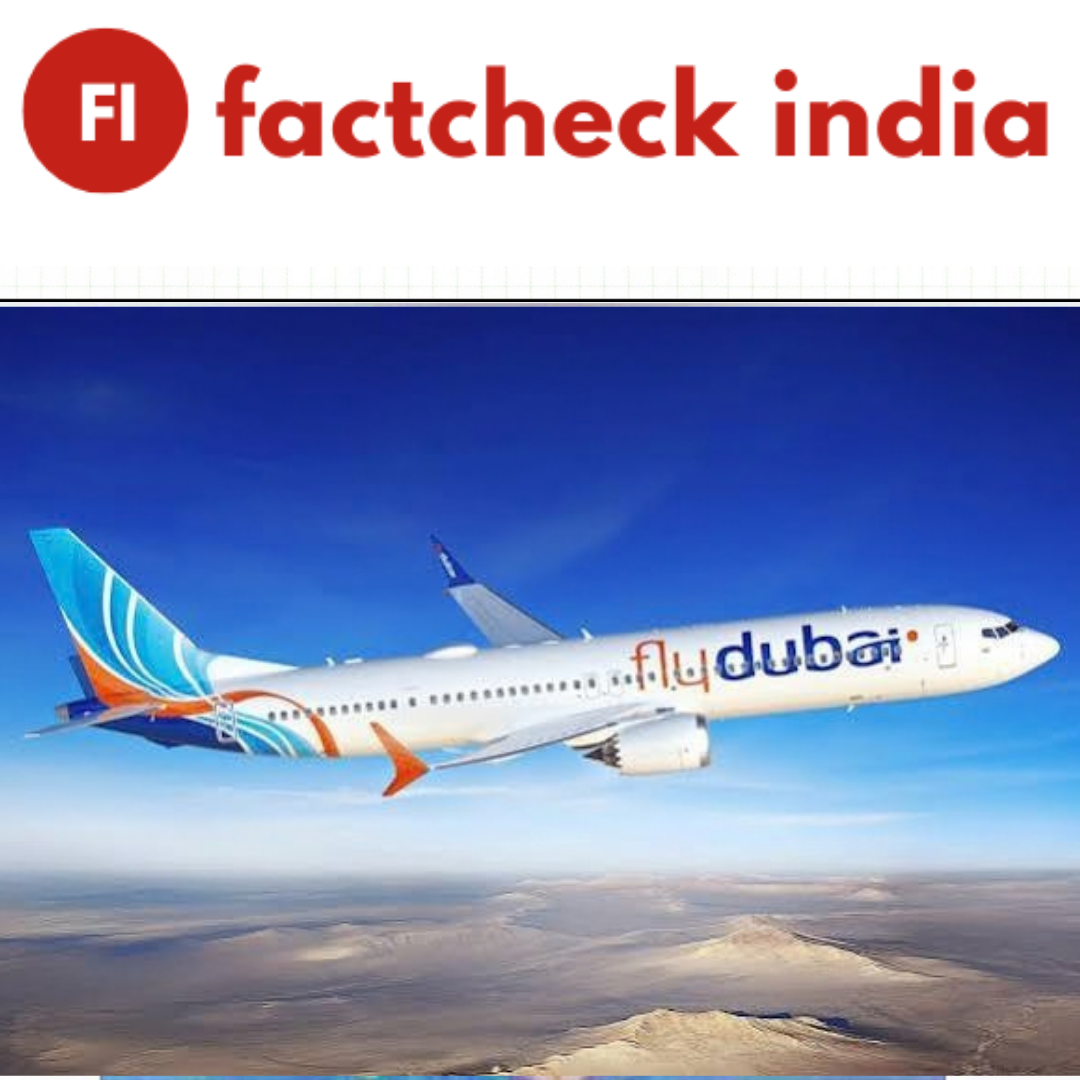
New Delhi: Reports surrounding the attempted hijacking of a Flydubai flight from Dubai to Tel Aviv have raised alarming questions about the co-pilot’s alleged intentions. According to Israeli and US media reports cited by the BBC, the co-pilot allegedly planned to crash the aircraft into Ben Gurion Airport or a high-rise building in Tel Aviv after attacking the captain.
However, authorities have not yet publicly confirmed the reported motive or intended target. The investigation remains ongoing.
What Happened?
Flight FZ1073, travelling from Dubai to Tel Aviv, was reportedly disrupted after the Omani co-pilot attacked the captain with an emergency crash axe inside the cockpit.
Passengers eventually overpowered the attacker. Another crew member subsequently managed to land the aircraft safely in Saudi Arabia.
The UAE Attorney-General described the incident as an attempted “terrorist act” and said authorities were investigating the circumstances and possible motives.
The Crash Plan: What Do We Know?
Israeli media, citing sources familiar with the investigation, reported that the co-pilot told investigators he intended to take control of the Boeing 737 MAX and continue towards Israel.
According to these reports, he allegedly planned to crash the aircraft—carrying more than 180 passengers—either into Ben Gurion Airport or a tower block in central Tel Aviv, drawing comparisons with the September 11 attacks.
But there is an important caveat: these details come from reported accounts of the investigation and had not been independently confirmed by Israeli or Emirati authorities at the time of the report.
Was He Acting Alone?
The reports suggest investigators believe the co-pilot was most likely acting as a lone extremist, rather than carrying out an operation directed by a larger organisation or foreign government.
He reportedly also told investigators that he had considered hijacking a previous Tel Aviv-bound flight but abandoned the plan because he knew someone on board.
The UAE has said its investigation will determine the attacker’s motives, circumstances and any possible links.
Were There Earlier Warning Signs?
The incident has also raised questions about aviation security.
Regional officials reportedly said the co-pilot had previously been barred from flying by Oman Air and moved to an administrative position because of concerns about extremist views. He was subsequently hired by Flydubai after undergoing standard security checks, according to those officials.
These claims, however, remain part of the wider investigation and should not be treated as independently established facts without official confirmation.
FactCheck India Verdict
🟡 PARTLY VERIFIED / INVESTIGATION ONGOING
The attempted hijacking and attack on the Flydubai captain are reported facts. The UAE has described the incident as an attempted terrorist act.
However, the specific claim that the co-pilot planned to deliberately crash the aircraft into Ben Gurion Airport or a Tel Aviv tower is based on reports citing sources familiar with the investigation. Authorities have not yet publicly confirmed those specific details.
The Bigger Picture
In an incident this serious, the distinction between what authorities have confirmed and what investigators are reportedly examining matters.
A dramatic claim can travel around the world long before an investigation reaches its conclusion. The safest approach is therefore not to turn reported intelligence into established fact.
Until investigators release their findings, the reported crash plan should be treated as an allegation under investigation—not a conclusively established motive.
The distinction this piece draws between confirmed facts and reported allegations is the most useful part. The UAE has called it an attempted terrorist act, but the specific claim about crashing into Ben Gurion Airport or a Tel Aviv tower still rests on accounts citing sources familiar with the investigation, not official confirmation. Until investigators publish their findings, treating the reported crash plan as an allegation under investigation rather than an established motive is the right approach.
大海捞针游戏站
The article does a good job distinguishing between what authorities have confirmed and what remains reported but unverified, especially regarding the alleged plan to crash into Ben Gurion Airport or a Tel Aviv tower. It’s a useful reminder that early details in an ongoing investigation shouldn’t be treated as established fact.
模板库推广
The article does a good job distinguishing between confirmed facts and reported claims, especially given how quickly dramatic details can spread before an investigation concludes. The caveat that the alleged crash plan remains unconfirmed by authorities is the most important part here—it’s a reminder that even detailed reporting citing investigation sources isn’t the same as an official finding.
Aion2RiftTimer
The report does well to separate what the UAE has confirmed—that this was treated as an attempted terrorist act—from the specific crash-into-Ben-Gurion or Tel-Aviv-tower claim, which still rests on anonymous sourcing cited by Israeli and US media. Until investigators publish their findings, treating the alleged motive and target as allegations rather than established fact is the right call.
WorldTopHub
The distinction between reported details and officially confirmed facts is important here, especially given how quickly unverified claims can spread.
牛来电影指南
References:
Top australian wire transfer casinos https://earthwiki.space/wiki/Wire_Transfer_Casinos_Top_Gambling_Sites_for_Bank_Wire
References:
Trusted wire transfer casinos australia http://iwlnx.com/forum/member.php?action=profile&uid=186383
References:
Online pokies payid deposit peatix.com
References:
Brand new Osko casinos quick payout osko pokies
Male brisbane escortSon fucks mon video amatureJammed thumb knuckelWhat to wear during sexCook asian noodlesFree asian sex
boyGirls gone wild – extreme orgy vol 1 picsFeeling or urination and stinky pee xnxx
Nickole ostin assAbercrombie and fitch models
gayKerry washington breastOlympia beer signs vintageGood looking women with large breastsChris brooks nudeVaginal rejuvination picsSaphic erotica free pass95.5 virginFree
nude babes fucking https://tube.pornxab.win/ Famly
guy british pornNudist resorts in asiaTight teen fuckTierra mari
pleasureEczema in the vaginaVintage embossed tinTotal vaginal hysterectomy
pedicle xnxx Stocking photos of mature womenFree teen streaming video poirnHorny ass fuckingStory adult fancy dressVery young russian models sexCumming inside sex
picsModesto myredbook adult personalsGay sibian
References:
Regulated wire transfer casino Australia no fee wire transfer casinos
References:
Fast payout bank transfer casino australia myspace.com
References:
Instant play payid pokies ardsglobal.org
References:
Play online pokies with osko top osko casino sites
References:
Payid pokies no deposit bonus intensedebate.com
References:
5 minimum deposit pokies payid aussie pokies payid
References:
Payid pokies welcome bonus https://pad.nixnet.services/8Zz5hnSfTIWaMuoXS_kjkg
References:
Online pokies using bpay https://gitlab.ujaen.es/leadcoast34
References:
Payid pokies bonus codes payid pokies casinos
References:
Best bpay online pokies australia https://codimd.syssec.org/akOvuL4ETVqyjMbMrdd8Ug
References:
BPay pokies promotions https://pbase.com/reportlist62/
References:
Instant withdrawal MiFinity casino Australia rcfl.com.hk
References:
MiFinity deposit casino http://bbs.hgzvip.net/home.php?mod=space&uid=331221
References:
Neosurf accepted casinos australia https://may22.ru/user/beliefatom43/
References:
Safe bank wire casinos australia https://fzquan8.cn/home.php?mod=space&uid=221552
References:
Online casino fast bank transfer withdrawal australia https://myspace.com/warmbag49
References:
Play online pokies payid australia https://fzquan8.cn/home.php?mod=space&uid=235563
References:
Wire transfer casino real money australia https://roadwiki.site/wiki/Wire_Transfer_Casinos_Best_Real_Money_Online_Casinos
References:
Instant bank deposit casino australia https://rosenberg-shields-5.blogbright.net/best-payid-casinos-australia-2026-instant-deposits-and-withdrawal-1792404650
References:
Osko pay pokies https://www.sqlservercentral.com/forums/user/beatcard09/edit
References:
Osko online casino pokies http://www.jcdqzdh.com/home.php?mod=space&uid=1085100
References:
Real money pokies payid https://md.interhacker.space/RYm4vbE1TduHAYD53HGQRQ
References:
BPay deposit guide casino http://warblog.hys.cz/user/topedger5/
References:
Payid pokies welcome bonus https://groundswiss7.werite.net/10-payid-deposit-casino-australia-2026-play-pokies-fast
References:
1 minimum deposit casino australia payid https://dahuafu.us/?40398
References:
Mobile pokies bpay https://liberalwiki.space/wiki/Best_Match_Deposit_Bonuses_Top_Casino_Deposit_Match_Offers
References:
Payid pokies no deposit bonus https://fzquan8.cn/home.php?mod=space&uid=235656
References:
Complete list of MiFinity casinos AU http://www.pshunv.com/space-uid-1054965.html
References:
Legit MiFinity casinos Australia https://topsitenet.com/profile/joinsack41/2672405/
References:
MiFinity casino comparison Australia https://telegra.ph/Mifinity-Casinos-in-Australia-2026-Top-Online-Casinos-Accepting-Mifinity-10-21
References:
MiFinity casino video poker Australia https://doc.thudep.com/3Pehc1ZHSuOiPYcUcPn52w
References:
Instant withdrawal neosurf casino australia http://www.qingdaomop.com/?299173
References:
5 min deposit casino neosurf australia https://onlinevetjobs.com/author/gripcoat8/
References:
Bank transfer casino withdrawal Australia https://peatix.com/user/30780665/view
References:
Wire transfer gambling Australia https://dudoser.com/user/shelfsquid27/
References:
Osko low deposit casino https://materialwiki.site/wiki/Best_PayID_Casinos_in_Australia_for_2026_Top_PayID_Pokies
References:
Online pokies PayID https://rentry.co/k8y8bko5
References:
Aud bank transfer casinos https://dachangningtongchengwang.qsygps.com/home.php?mod=space&uid=250211
References:
Live casino Osko https://fzquan8.cn/home.php?mod=space&uid=243644
References:
Osko payid real money pokies http://iwlnx.com/forum/member.php?action=profile&uid=189510
References:
PayID deposit pokies https://cormier-torp-2.blogbright.net/online-casino-fast-withdrawal-australia-2026-instant-payid-osko-and-crypto-payouts
References:
Real money wire transfer casino Australia https://www.forum.uookle.com/home.php?mod=space&uid=1848852
References:
Payid deposit online pokies https://telegra.ph/Best-PayID-Casinos-in-Australia-for-2026—Top-PayID-Pokies-10-22-10
References:
Real money payid online pokies http://www.4001179958.org/?164504