

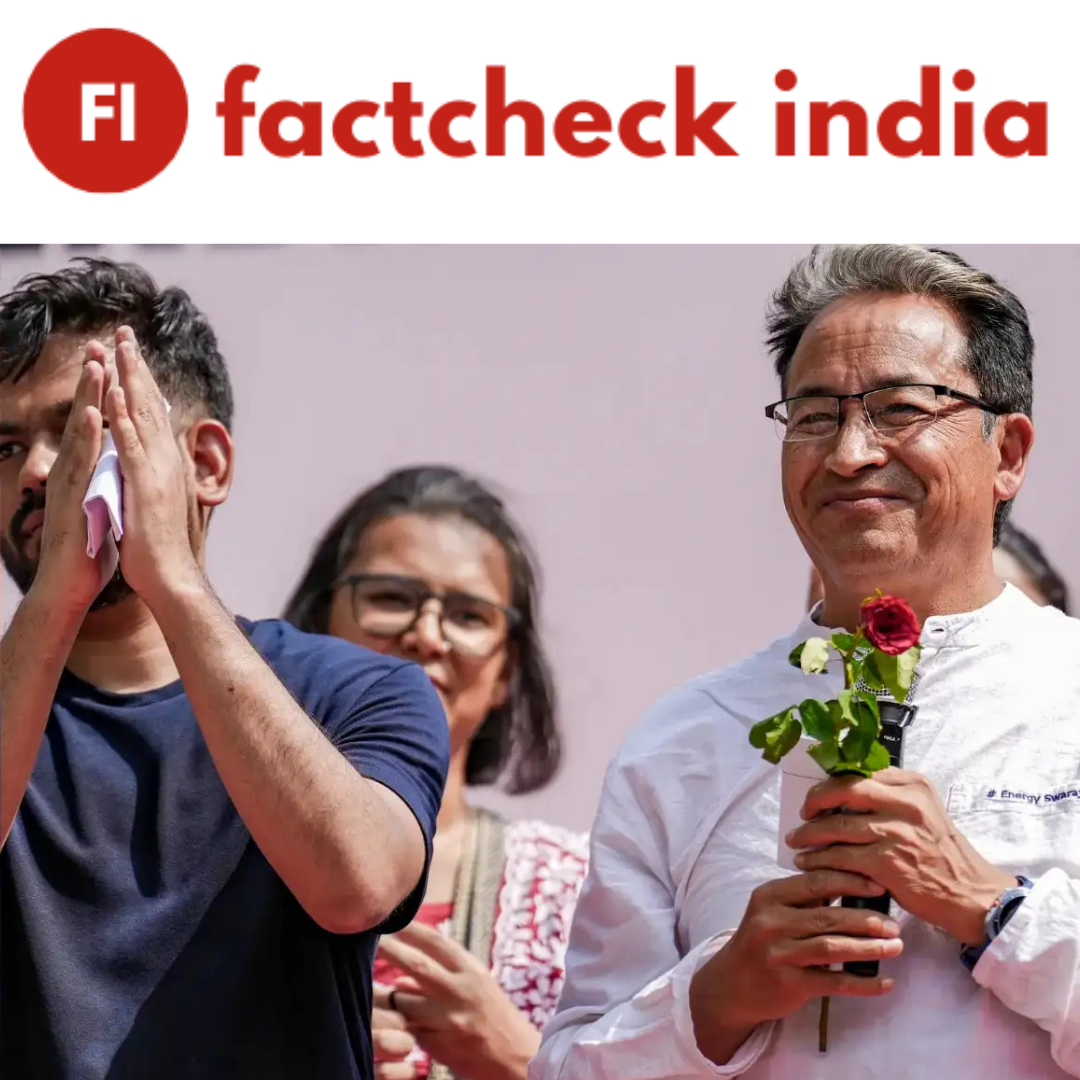
The Cockroach Janta Party’s planned demonstration has intensified debate over electoral-roll revisions, police restrictions and the right to peaceful protest. The CJP is demanding the resignation of Chief Election Commissioner Gyanesh Kumar over alleged irregularities in the Special Intensive Revision (SIR) of electoral rolls. The Election Commission and the government have rejected allegations of wrongdoing.
What prompted the fresh protest?
The youth-led Cockroach Janta Party (CJP) has called for a new demonstration at Central Park in Connaught Place, Delhi, on October 16, under the banner Lehra Do Tiranga (“Wave the Tricolour”). The announcement follows the detention of several demonstrators during a planned protest at Jantar Mantar on October 10. CJP founder Abhijeet Dipke and senior organisers Saurav Das and Ashutosh Ranka were among those detained as police moved to prevent the gathering. Dipke has maintained that the movement will continue despite the arrests. He has also encouraged supporters who cannot travel to the capital to organise flag marches in their own cities.
Why are the CJP and the Election Commission at odds?
The central dispute concerns the Special Intensive Revision, an exercise to review and update electoral rolls. Opponents of the process allege that large-scale deletions could exclude eligible voters. The CJP has cited these concerns in calling for Kumar’s resignation and accusing the Election Commission of favouring the ruling Bharatiya Janata Party (BJP). The Election Commission and the government deny allegations that the process is being manipulated for political gain. Home Minister Amit Shah has defended the poll panel and accused opposition parties of spreading misinformation about voter verification. The allegations over the SIR process remain contested. The concerns raised by protesters should not, by themselves, be treated as proof that electoral fraud has occurred.
Is the CJP protest part of a wider political movement?
The dispute is unfolding alongside separate demonstrations by opposition parties over the SIR exercise. Congress leader Rahul Gandhi and other opposition figures have criticised the Election Commission’s handling of voter verification. Opposition representatives have also taken their concerns to President Droupadi Murmu and sought to draw attention to the issue through further demonstrations. Although the CJP and opposition parties have largely organised separate campaigns, both have raised questions about voter-list revisions and the functioning of the Election Commission. Gandhi has also criticised the arrests of CJP organisers and called for peaceful demonstrations at Jantar Mantar to be permitted.
The government has rejected allegations of political interference in the electoral process.
What is established, and what remains disputed?
Established in the supplied reporting:
- The CJP announced a fresh demonstration in Delhi after its previous protest was disrupted.
- Key organisers were detained, and Das and Ranka were later sent to judicial custody.
- The Delhi High Court declined to issue an order restraining the planned Connaught Place gathering.
- Police cited public order and restrictions on protest venues in defending their actions.
Still disputed or unresolved:
- Whether the SIR exercise has unfairly excluded eligible voters or been manipulated to benefit a political party.
- Whether the police response was proportionate to the circumstances and whether alleged instances of violence will lead to further action.
- How the authorities will handle the planned gathering and any attempts to assemble at restricted locations.
Conclusion
The CJP’s campaign has moved from youth-led protests over public grievances to a broader confrontation over electoral reforms and the limits placed on demonstrations in Delhi. The arrests of its organisers and the restrictions surrounding Jantar Mantar have become central to the movement’s argument that its right to protest is being curtailed. Authorities maintain that public order must be protected. The key distinction is between the protesters’ allegations, the government’s denials and facts established through independent evidence or legal proceedings. The dispute over the SIR process remains unresolved in the reporting reviewed here.